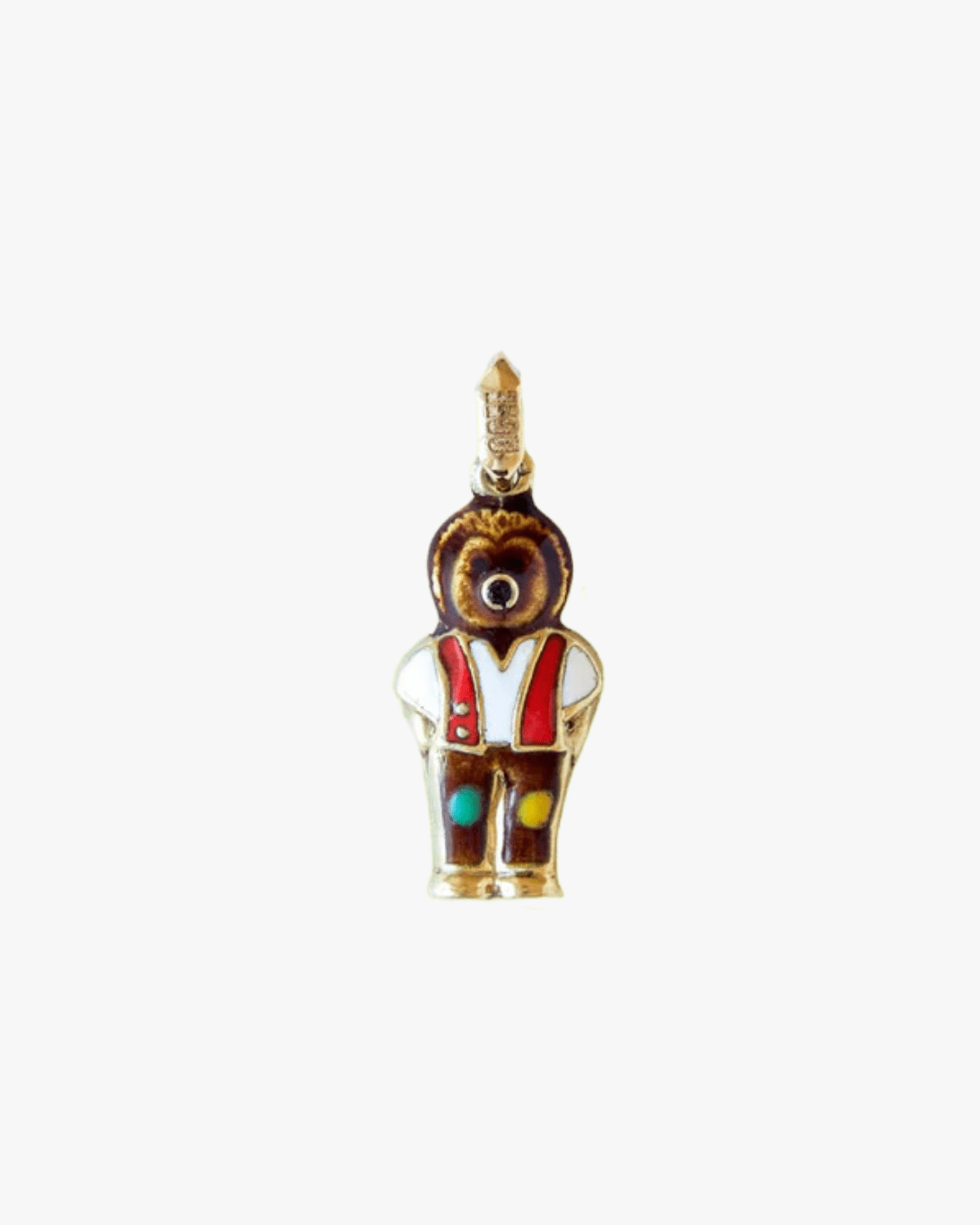
Hallmarks: the grammar of metal
A hallmark is a mark punched into metal to certify its fineness. Most European gold and silver follows the millesimal system: the number states parts of pure metal per thousand.
750: 18kt gold, 75% pure. The standard for fine jewellery made in Italy and France.
585: 14kt gold, common in Northern Europe and the United States.
375: 9kt gold, frequent on British pieces.
925: sterling silver; 800 marks much older continental silver.
Older pieces may carry karat stamps instead (18K, 14K) or national assay marks: in Britain, an assay office symbol and a date letter that can place a piece within a single year; in France, an eagle's head for 18kt gold; in Italy, a star followed by a maker's number and a province code. Alongside the fineness mark you will often find a maker's mark: initials or a symbol inside a shaped punch, identifying the workshop that made the piece.
One caution. A hallmark certifies the metal, nothing more. It does not date a piece on its own, and it says nothing about the stones or the quality of the work.
Where to look
Marks hide in predictable places. Use a loupe and good light.
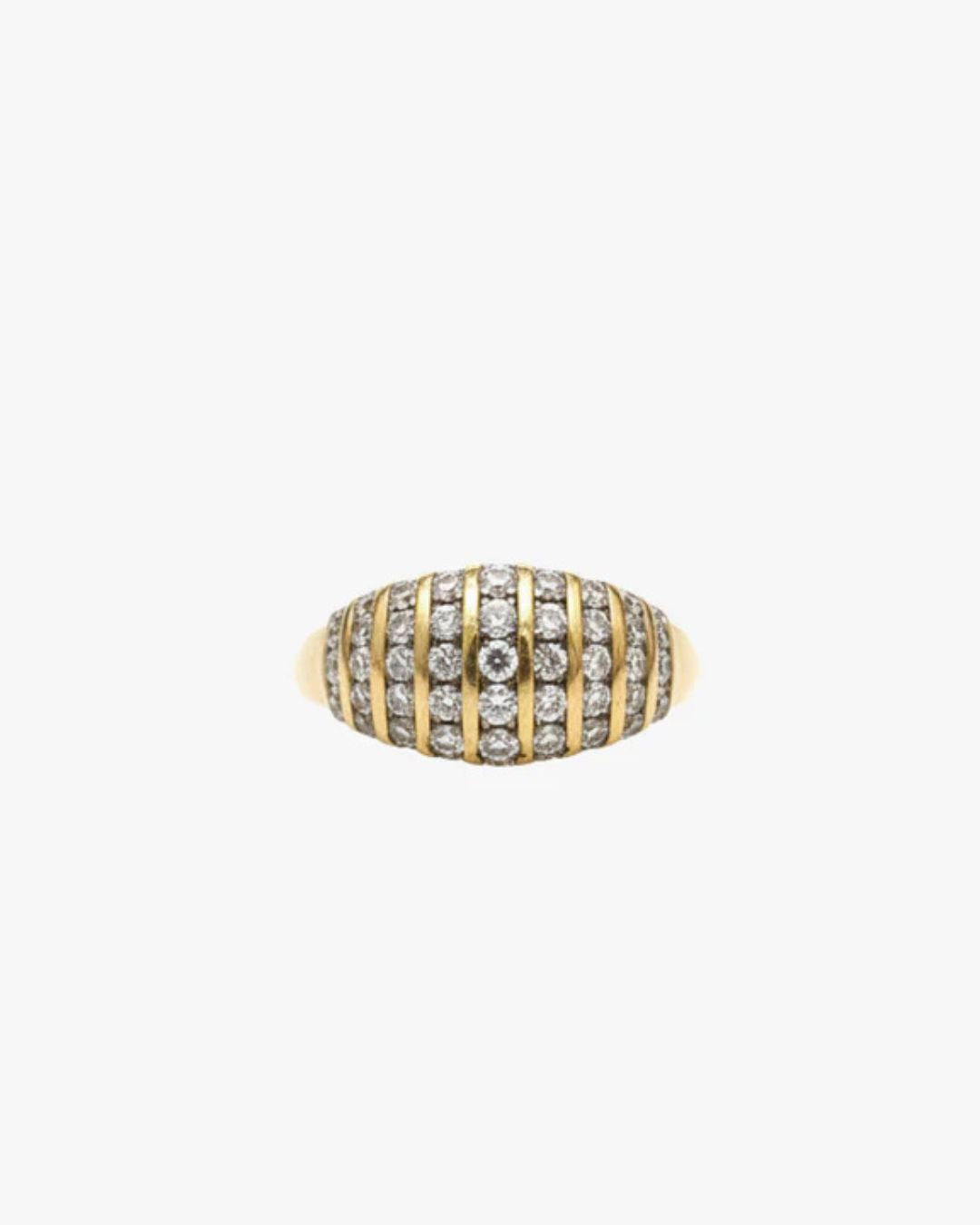
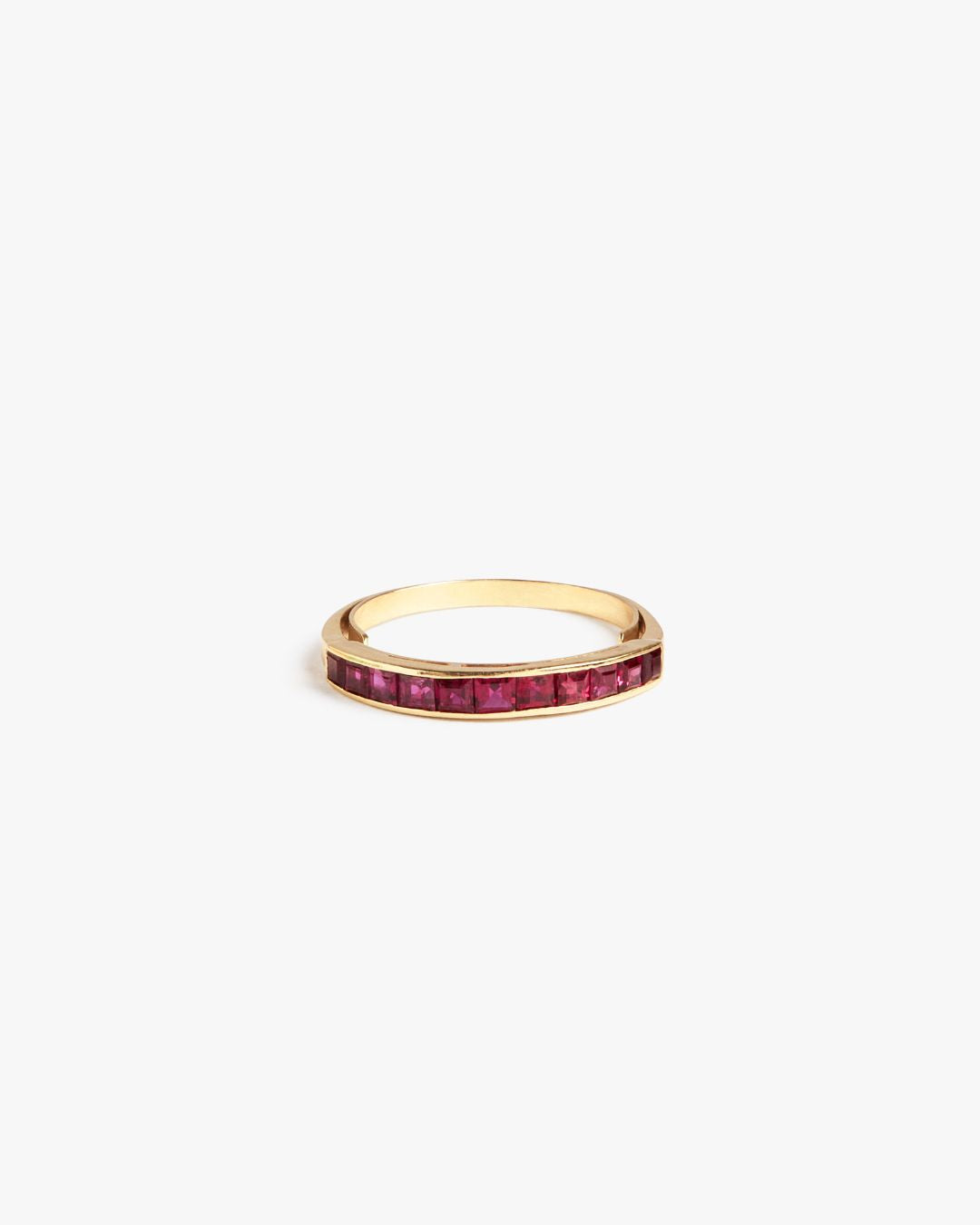
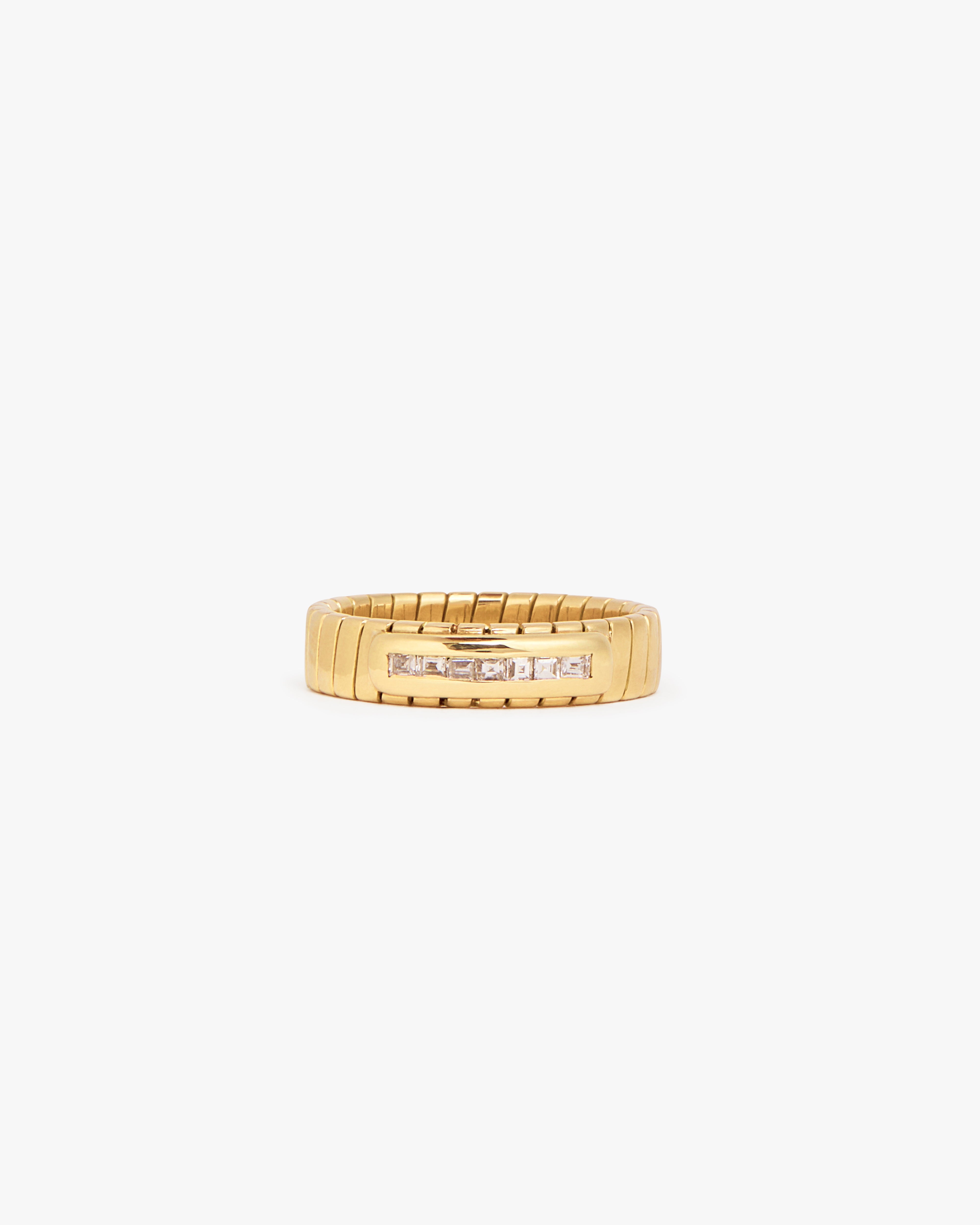
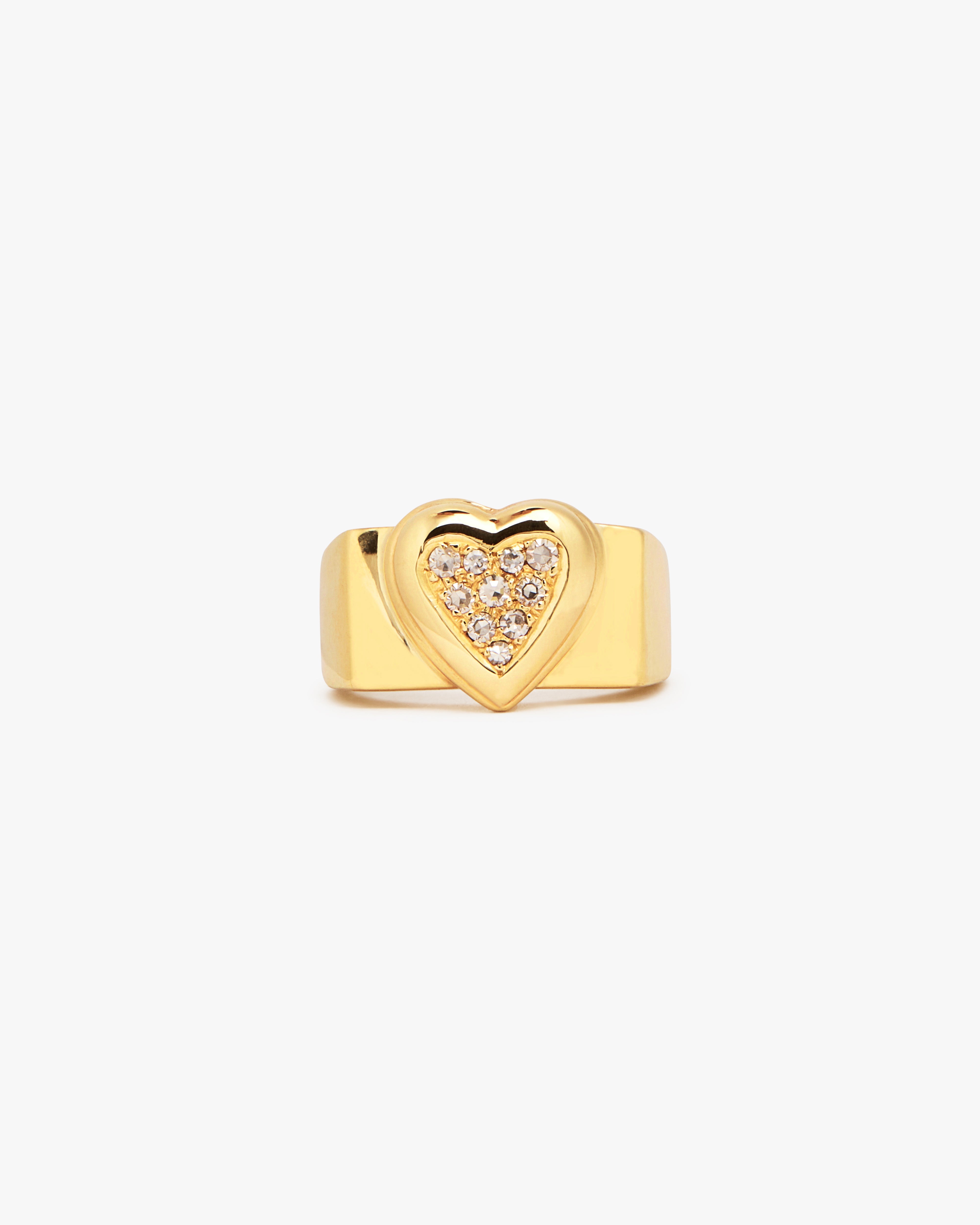
Rings: inside the band, often near the join.
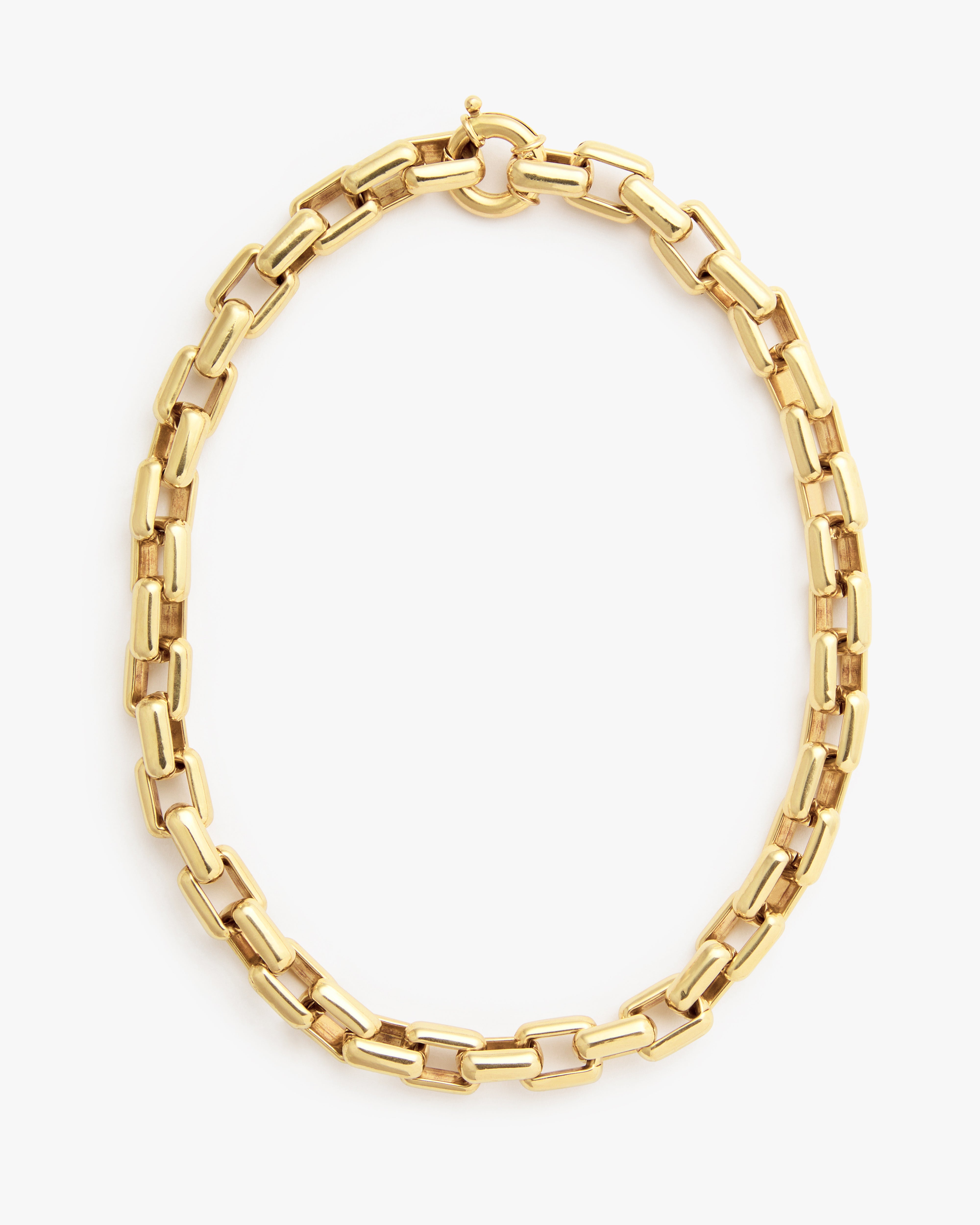
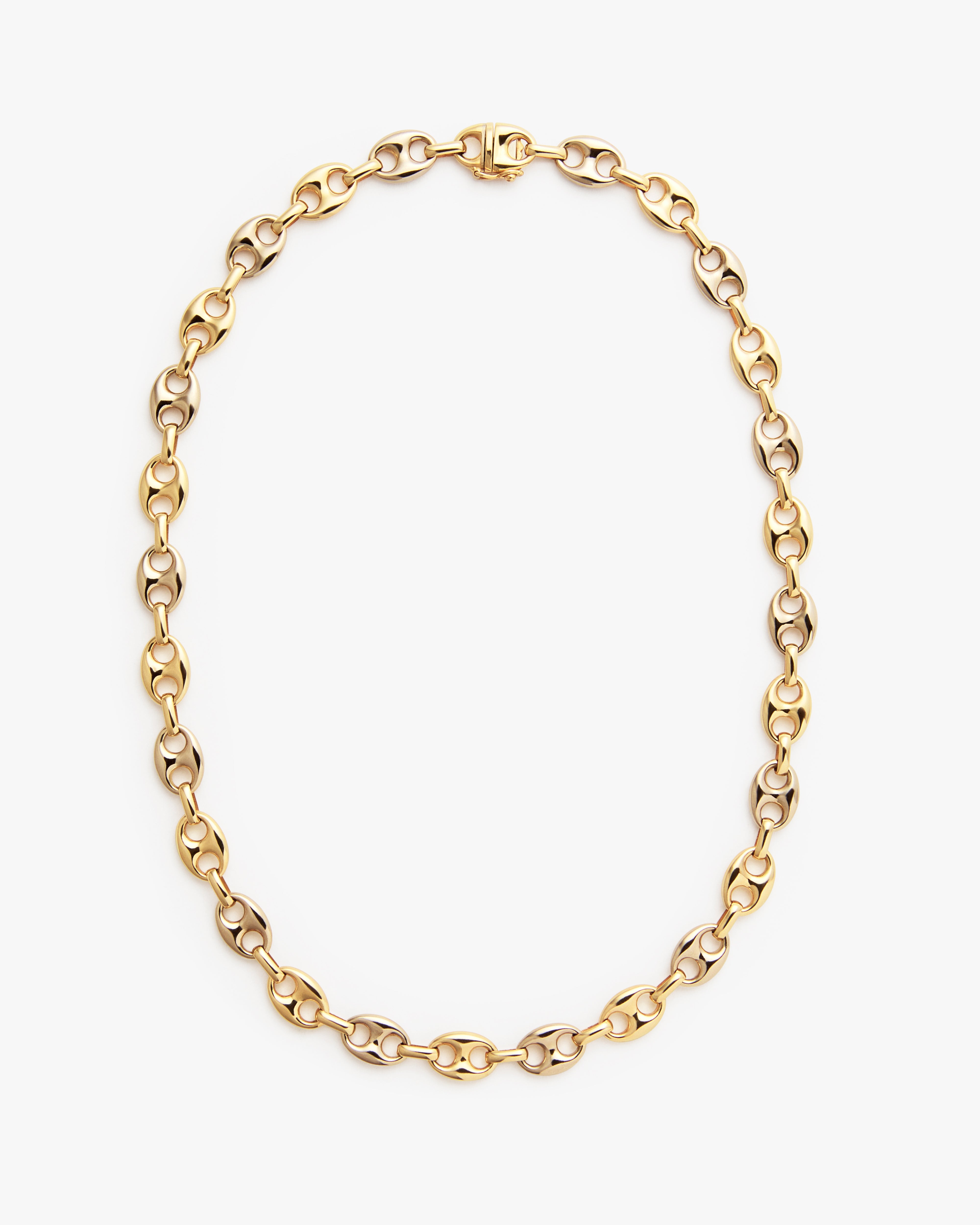
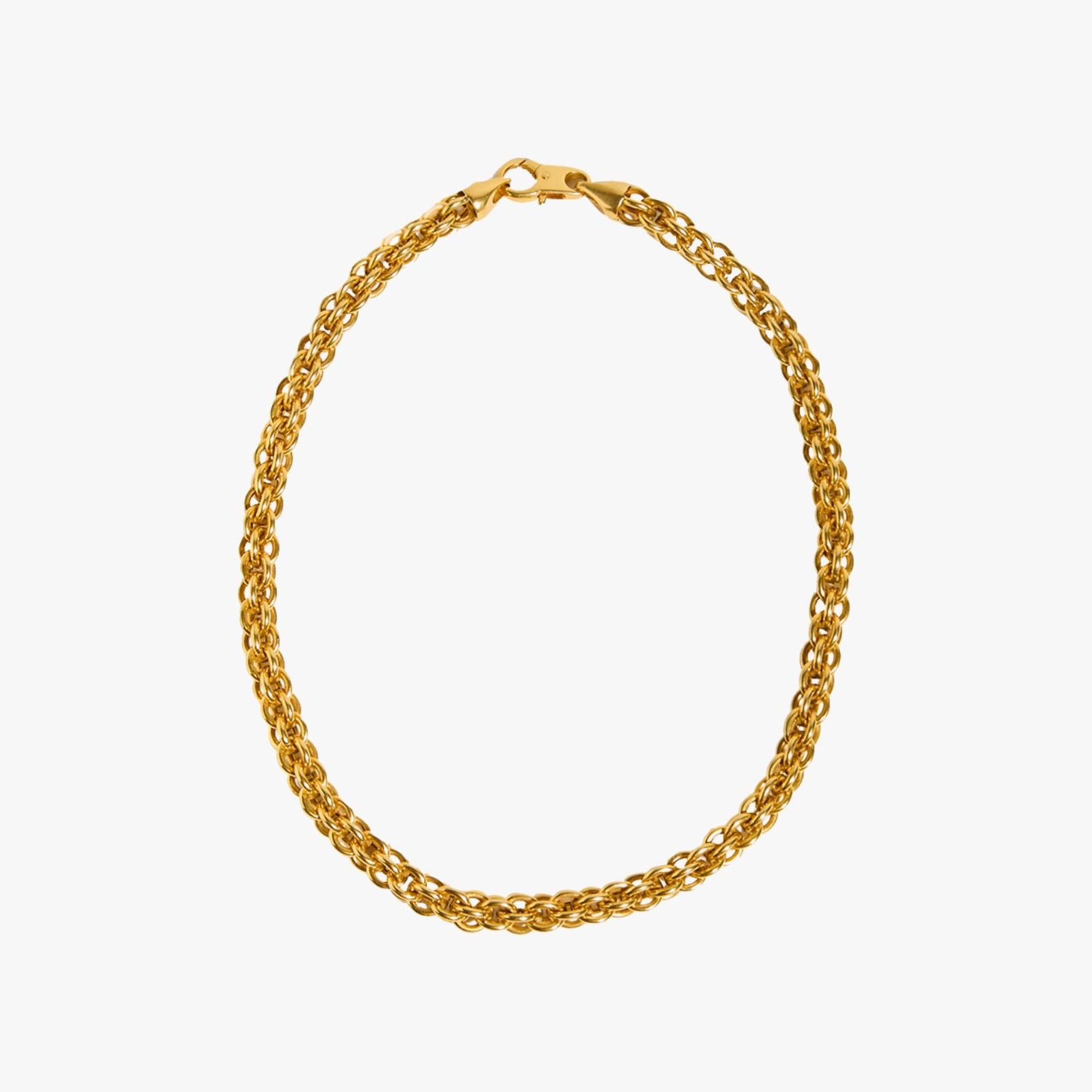
Necklaces and bracelets: on the clasp, the last link, or a small tag near the closure.
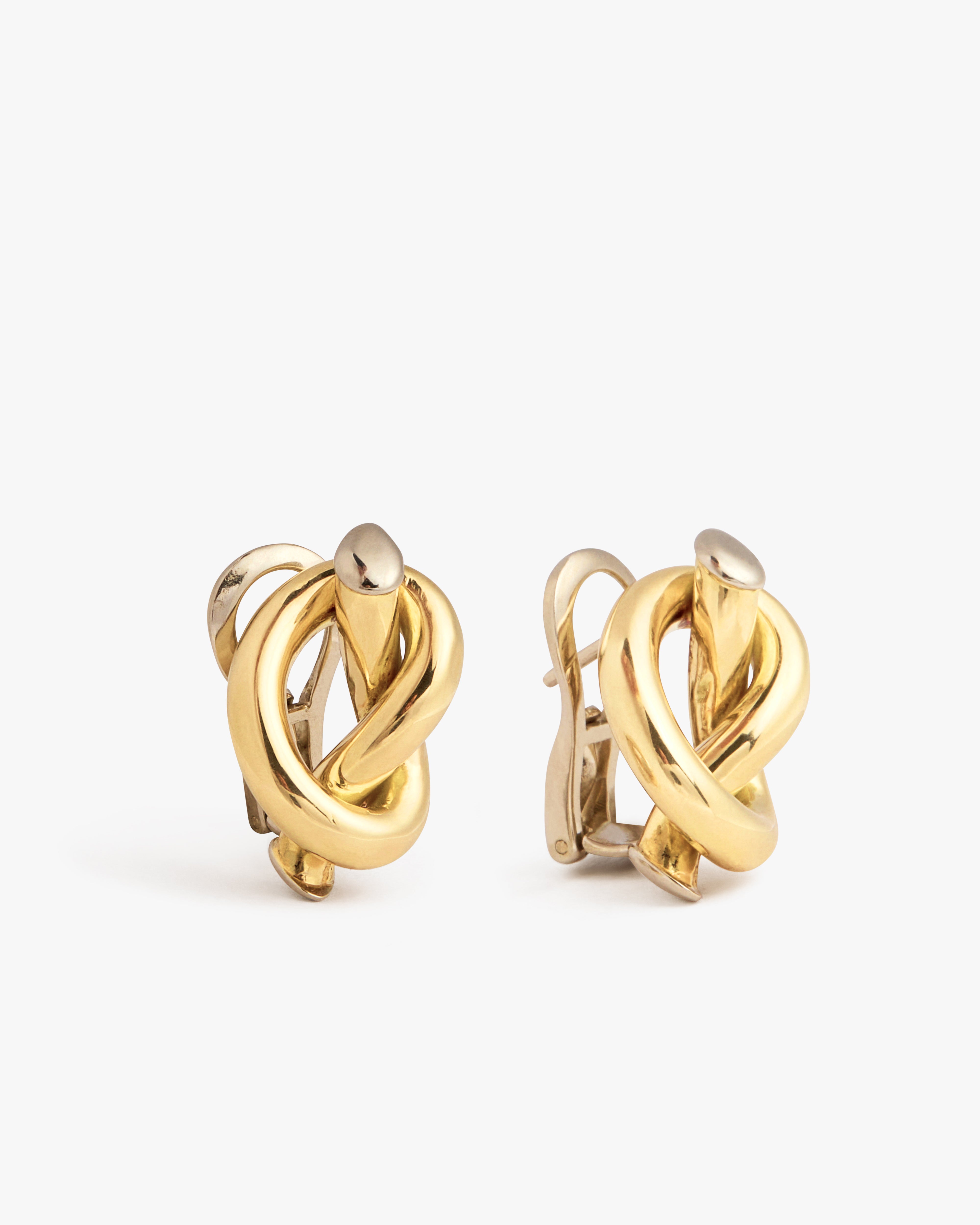
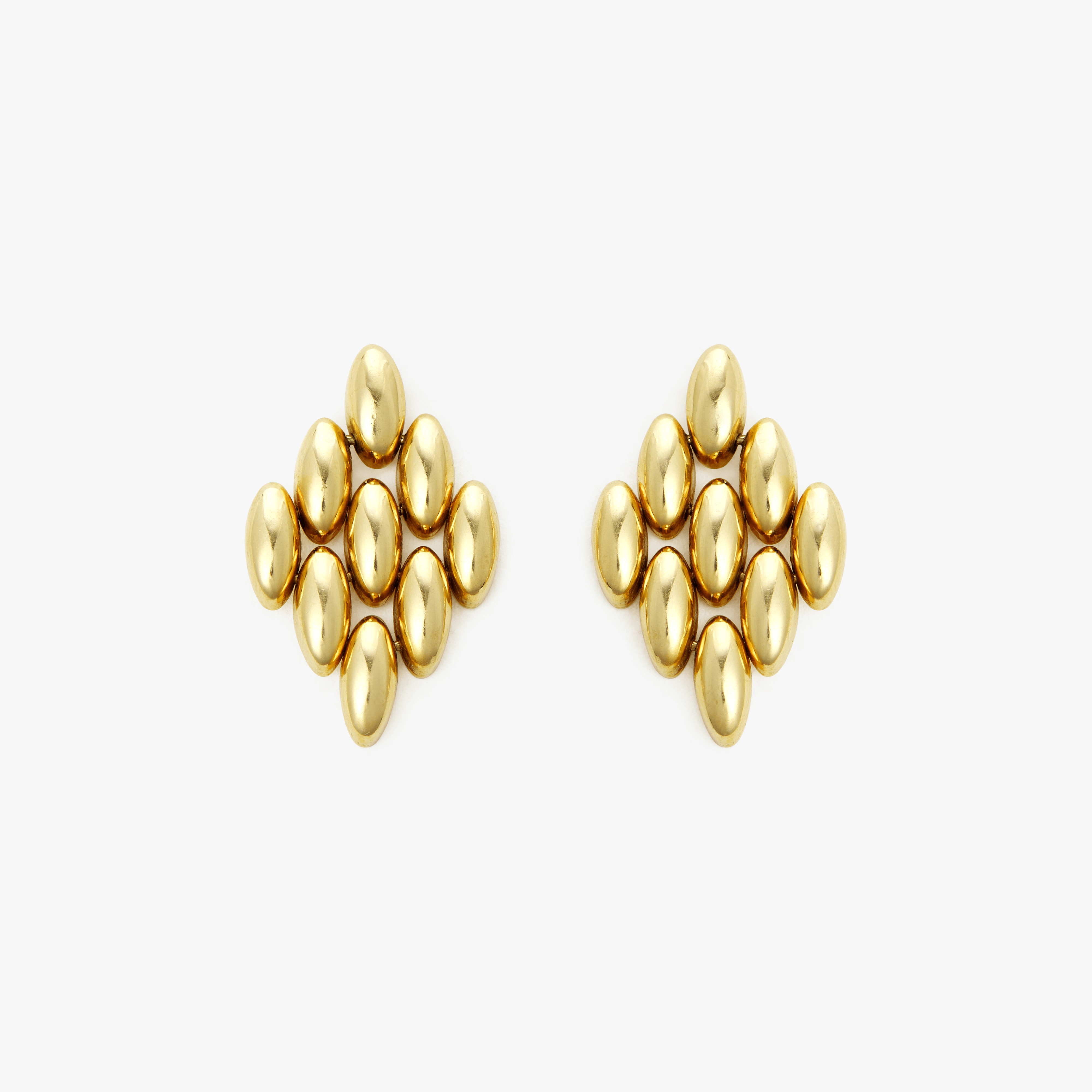
Earrings: on the post or the clip mechanism.
Brooches: on the pin stem, the catch, or the back plate.
The absence of a mark is not automatically damning. Resizing, repairs and a century of wear can erase stamps, and not every country required them in every period. An unmarked piece simply shifts the burden of proof to metal testing and expert eyes.
What construction tells you
Hardware evolved, and it rarely lies. Hand-made C-clasps, tube hinges and hook fittings belong to older work; machine-perfect safety clasps and springs do not appear on a Victorian brooch. Stone cutting dates a piece the same way: old mine cut, old European cut and rose cut diamonds were shaped by hand, for candlelight, with proportions modern cutting has abandoned. To place these details in time, era by era, see our guide to jewellery eras.
Then look at the wear. Decades of use leave a coherent pattern: softened high points, a gently rubbed back, milgrain faded exactly where a finger rests. Crisp, uniform detail on a piece presented as antique deserves skepticism, as does wear in places no hand would ever touch. Handwork also leaves honest irregularities: slight asymmetries, visible solder joints. These are the signature of a person, not a defect.
Provenance: paper beats stories
Provenance is documented history: receipts, appraisals, gemmological reports, estate papers, dated photographs. A charming anecdote about a grandmother in Turin is not evidence; a dated appraisal is. When you buy vintage jewellery, in Milan or anywhere else, ask what can be shown, not what can be told. If the seller cannot explain the hallmarks, or the story contradicts the construction, walk away without regret.
How ÂGÉE reads a jewel
This reading is the work we do before a piece ever reaches the showroom. Every jewel at ÂGÉE is scouted by founder Veronica Varetta, its hallmarks read, its provenance traced, and the piece examined by a gemmologist; the full process is described in our method. Each piece is one-of-a-kind and documented, so by the time you see it at LIL House, Via Gaetano Donizetti 36, in Milan, the questions in this guide have already been answered.
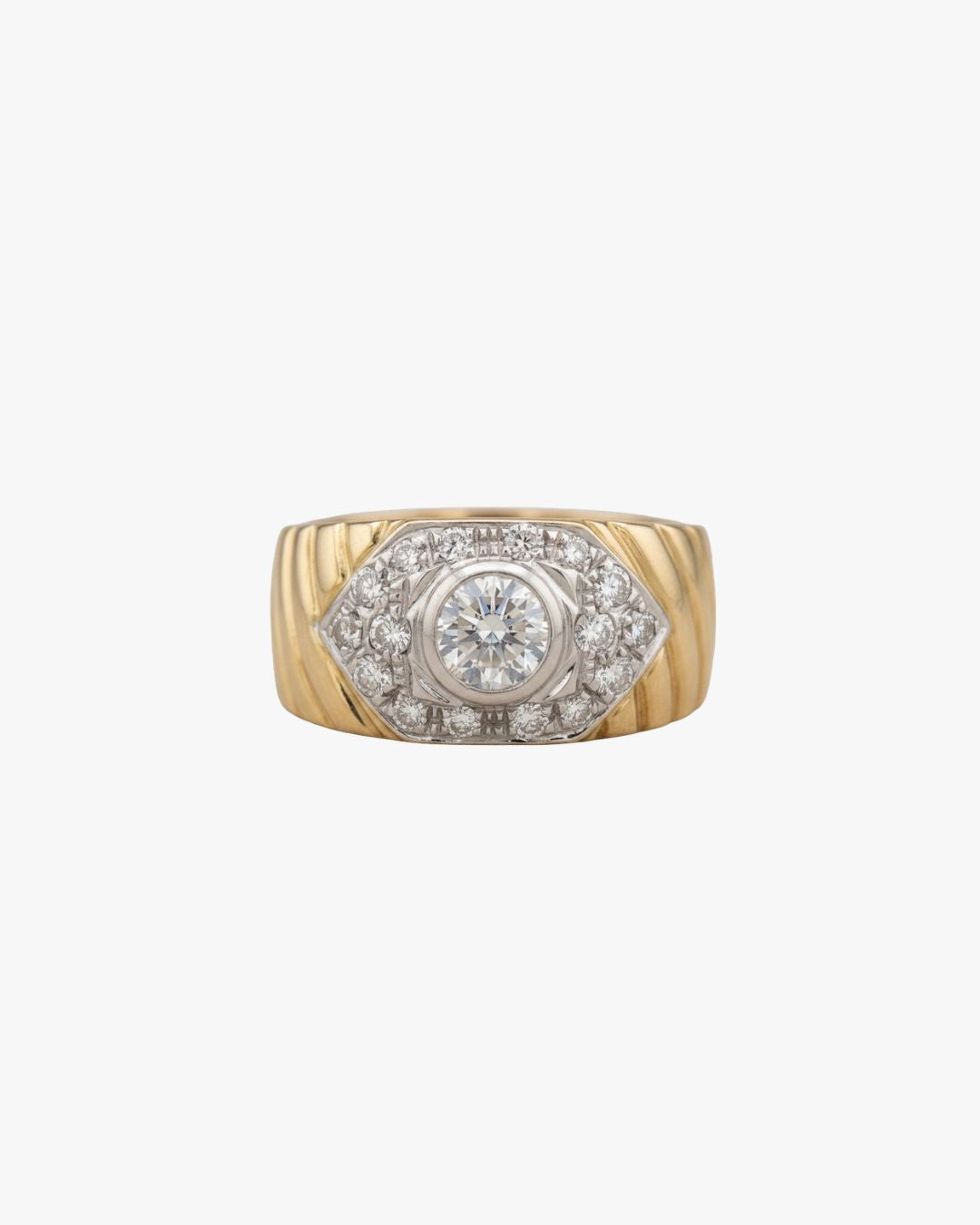
If you want to train your eye, start with the vintage diamond rings: old cuts are where the difference between eras is easiest to see for yourself.