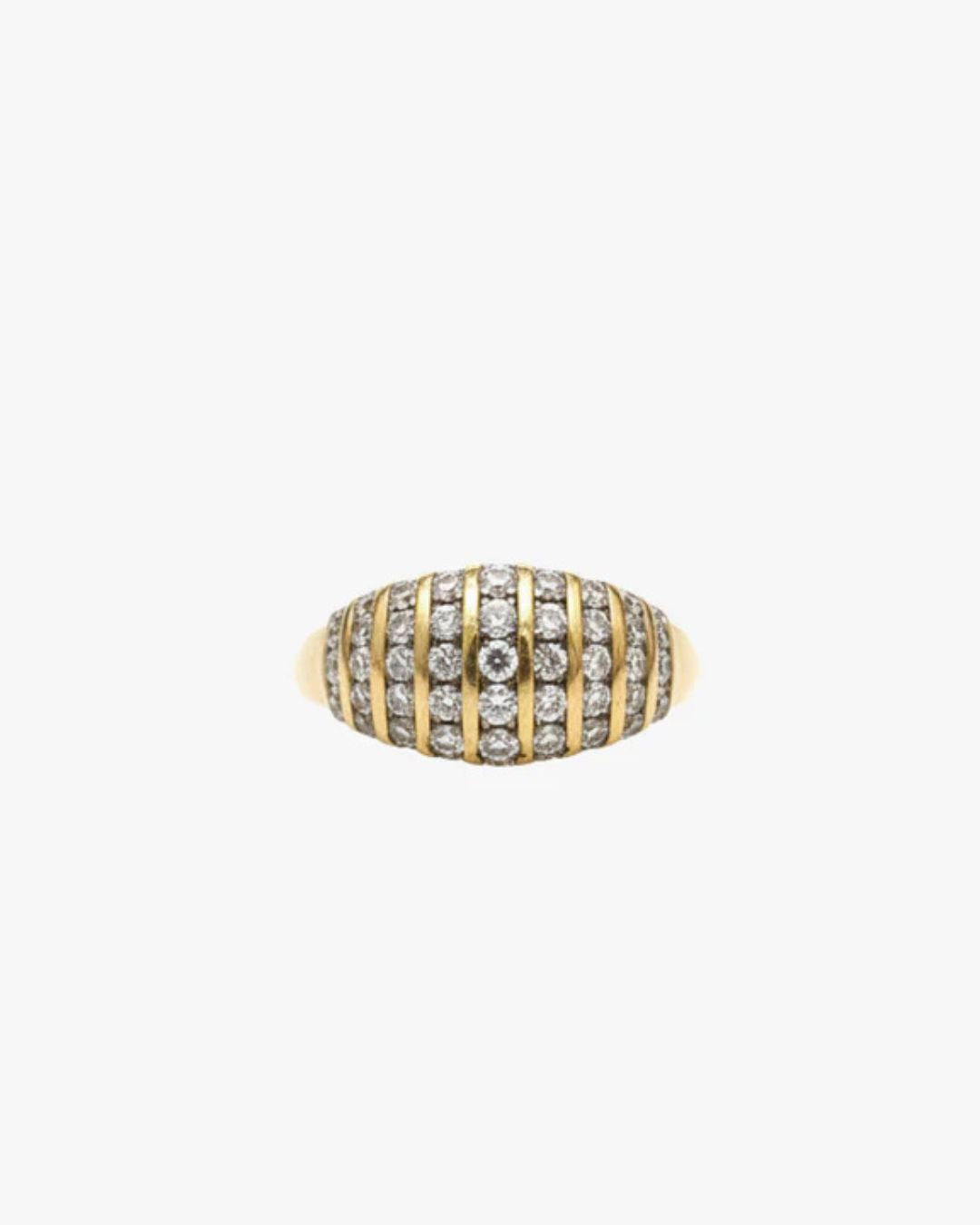
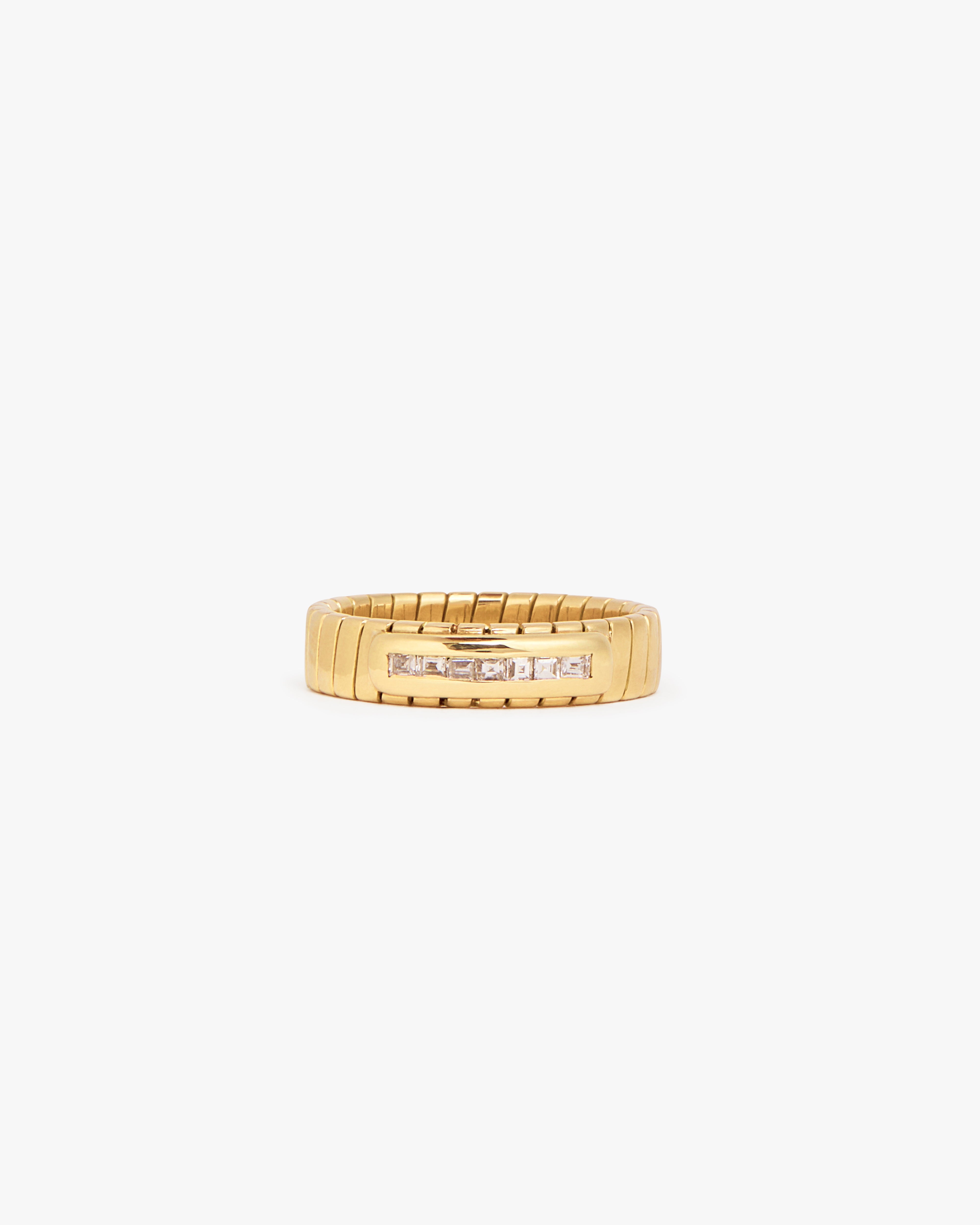
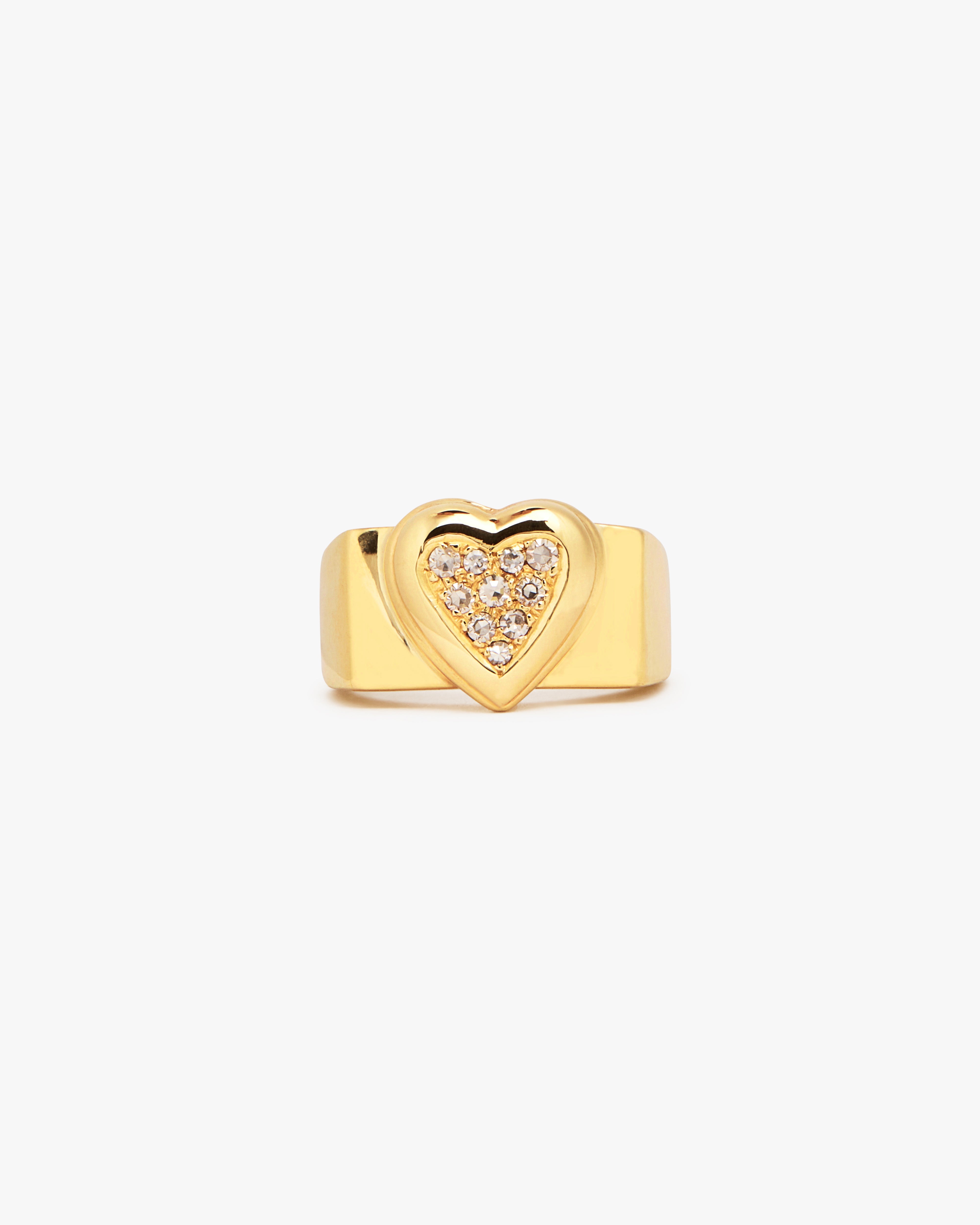
Old mine cut: a cushion shaped for candlelight
The old mine cut is the diamond of the Georgian and Victorian centuries. Its outline is a cushion, a square with softened corners, because cutters followed the shape of the rough crystal rather than forcing it into a circle. The crown is high, the table small, the pavilion deep, and the culet, the facet at the very bottom of the stone, is polished wide enough to appear as a small window when you look straight down through the top.
These proportions were not an error. They were calibrated for rooms lit by flame. Broad facets return light in slow, deep flashes, with strong fire (the coloured light a diamond splits from white) that reads best at dusk. Under a modern spotlight an old mine cut behaves modestly; in a dim room it comes alive.
Old European cut: the round before the brilliant
From the late nineteenth century, new bruting techniques made a round outline practical, and the old mine cut evolved into the old European cut. The stone is now circular, but the character remains: small table, high crown, and usually a culet you can still find with a loupe, though smaller than before. The facet pattern anticipates the modern brilliant; the proportions do not, because they were still decided by a cutter's judgement rather than a formula.
The old European cut carried hand cutting through the Belle Époque and into the Art Déco years, and it is the stone most often found in the geometric platinum settings of that period; we unpack the era itself in Art Déco, decoded. Its light is what collectors describe as chunky: fewer, larger flashes than a modern stone, with more visible fire.
Rose cut: the quiet one
The rose cut is the oldest of the three and the simplest to recognise. It has no pavilion at all: the back is flat, and the crown rises as a low dome of triangular facets, usually meeting at a point. Without a pavilion there is little brilliance in the modern sense. Instead the stone glows: a soft, silvery light that sits on the surface rather than firing out of it. Georgian and Victorian jewellers used rose cuts in clusters, halos and foil-backed settings, and the cut returned periodically in later revival work.
How to recognise antique cuts, by eye or with a loupe
Look for the culet. A small circle at the centre of the table, dark or bright depending on the light, is the open culet, the fastest tell of an old mine or old European cut.
Read the outline. A softened square points to an old mine cut; a hand-made round, often very slightly out-of-round, points to an old European cut.
Watch the flash. Antique cuts blink in broad, slow planes; modern brilliants scintillate in fine, fast points. Step away from the spotlight to see the difference.
Check the back. A flat base sitting flush in the setting, under a faceted dome, is a rose cut.
Accept asymmetry. Slightly uneven facets or an off-centre culet are not defects. They are the record of one person cutting one stone.
Why these cuts are no longer made
Modern cutting optimises for light return: standardised proportions, machine precision, symmetry graded to the decimal. The old cutters were solving a different problem: keeping as much weight as possible from the rough while making the stone perform under flame. Once electric light and precision tooling arrived, the trade moved on, and through the twentieth century many old stones were recut into modern brilliants. Each recut gained brightness and lost history. What survives unaltered is, by definition, finite: nobody cuts a new old mine cut.
A different character, not a lesser one
Set an antique diamond beside a modern brilliant and the difference is not quality but temperament. The modern stone is engineered to be uniformly bright from every angle. The antique stone answers the room: it darkens, warms, flares. This is why a diamond cut long before electric light suits someone who wants a ring with a specific character rather than a standardised performance, and why an old cut engagement ring never resembles the one at the next table.
Antique cuts in the ÂGÉE selection
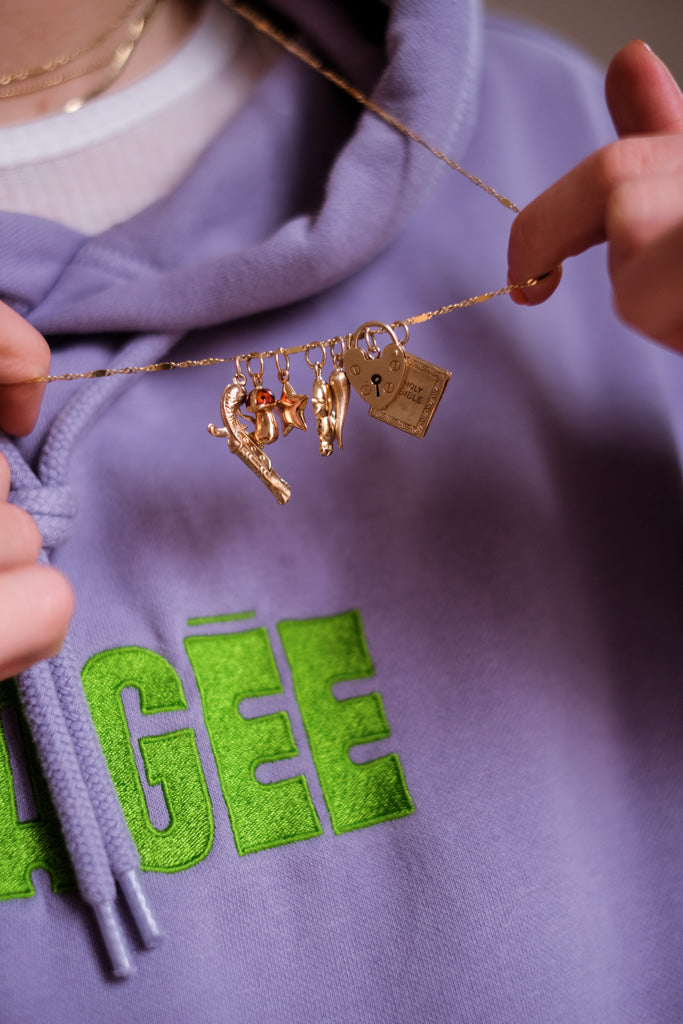
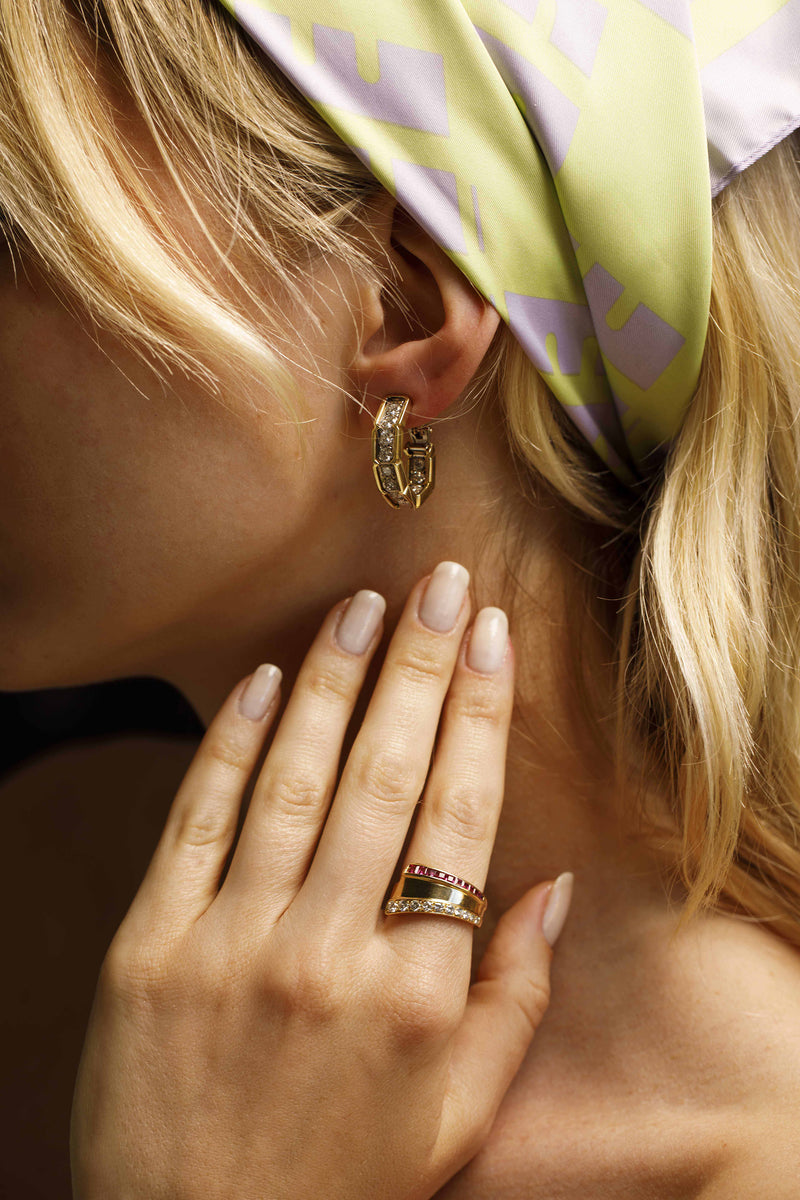
Every piece at ÂGÉE is one-of-a-kind, scouted by founder Veronica Varetta and documented before it is offered: hallmark, provenance, and a gemmologist's review. Old mine, old European and rose cut stones surface regularly in our vintage diamond rings and our engagement rings. To see how they behave in real light (the only test that matters), visit the showroom at LIL House, Via Gaetano Donizetti 36, Milan, Italy.