Skip to content
EN / IT
Vintage Zambian emerald ring — ÂGÉE editorial
Vintage gold jewellery worn — scouted by ÂGÉE Milano
Guide
Vintage emerald and diamond ring — ÂGÉE editorial
Art Déco, Decoded: How to Recognise the Era (1920–1935)
A genuine Art Déco piece (roughly 1920–1935) speaks in geometry: clean symmetry, calibré-cut stones set flush, old European cut diamonds, milgrain edges, and — most often — platinum. Provenance and hallmarks confirm the date.
Guide

Art Déco arrived as a reaction. After the soft lines of Art Nouveau, the 1920s wanted order: the movement took its name from the 1925 Paris Exposition Internationale des Arts Décoratifs, and its vocabulary came from skyscrapers, fast cars and jazz. For jewellery it meant a complete reset: out went naturalistic flowers, in came architecture — on the hand. Five signals let you read almost any piece of the era.

A real Art Déco piece does not imitate nature; it organises light.

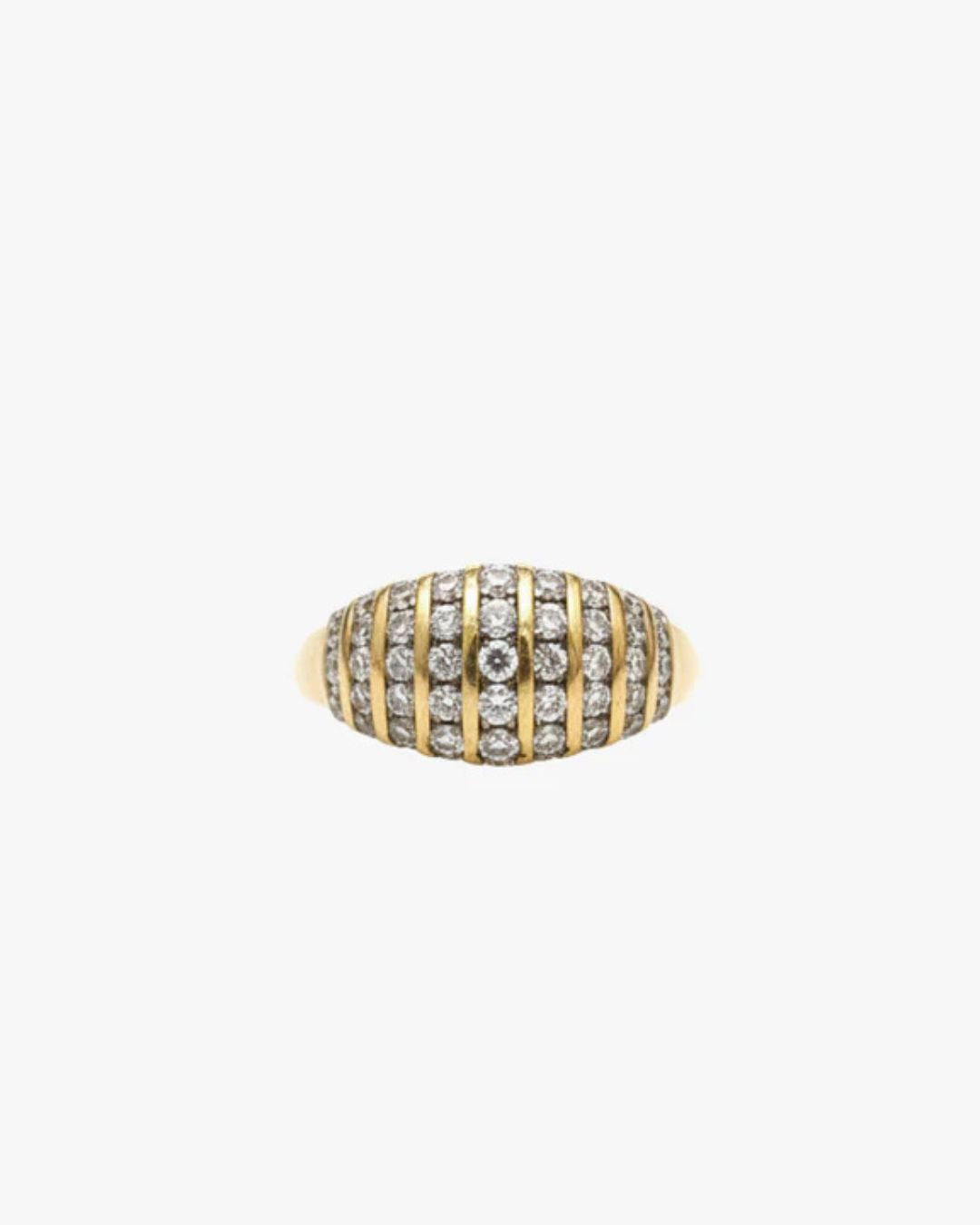
Vintage pavé diamond ring in gold — ÂGÉE editorial

1. Geometry is the first language

Rectangles, triangles, chevrons, sunbursts, strict bilateral symmetry. Where an earlier ring meandered, a Déco ring marches. Look for deliberate contrast — onyx against diamond, coral against jade.

2. Calibré stones, fitted like masonry

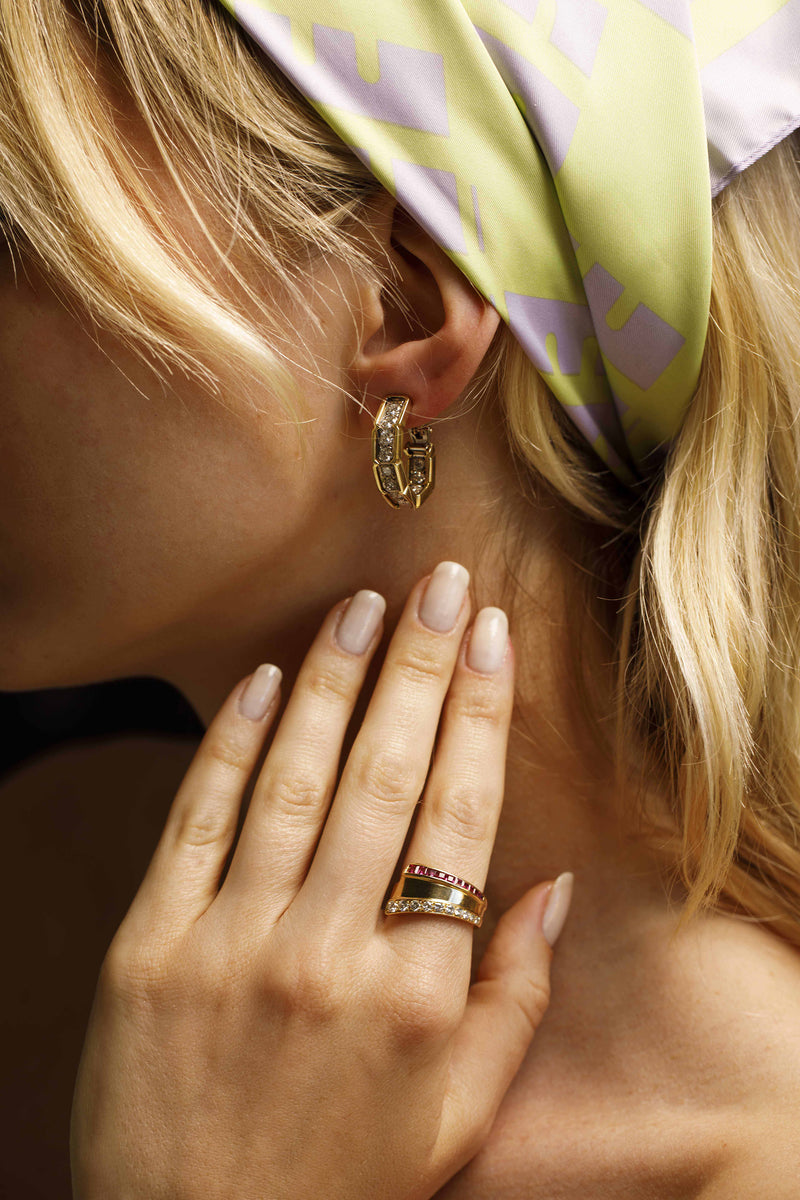
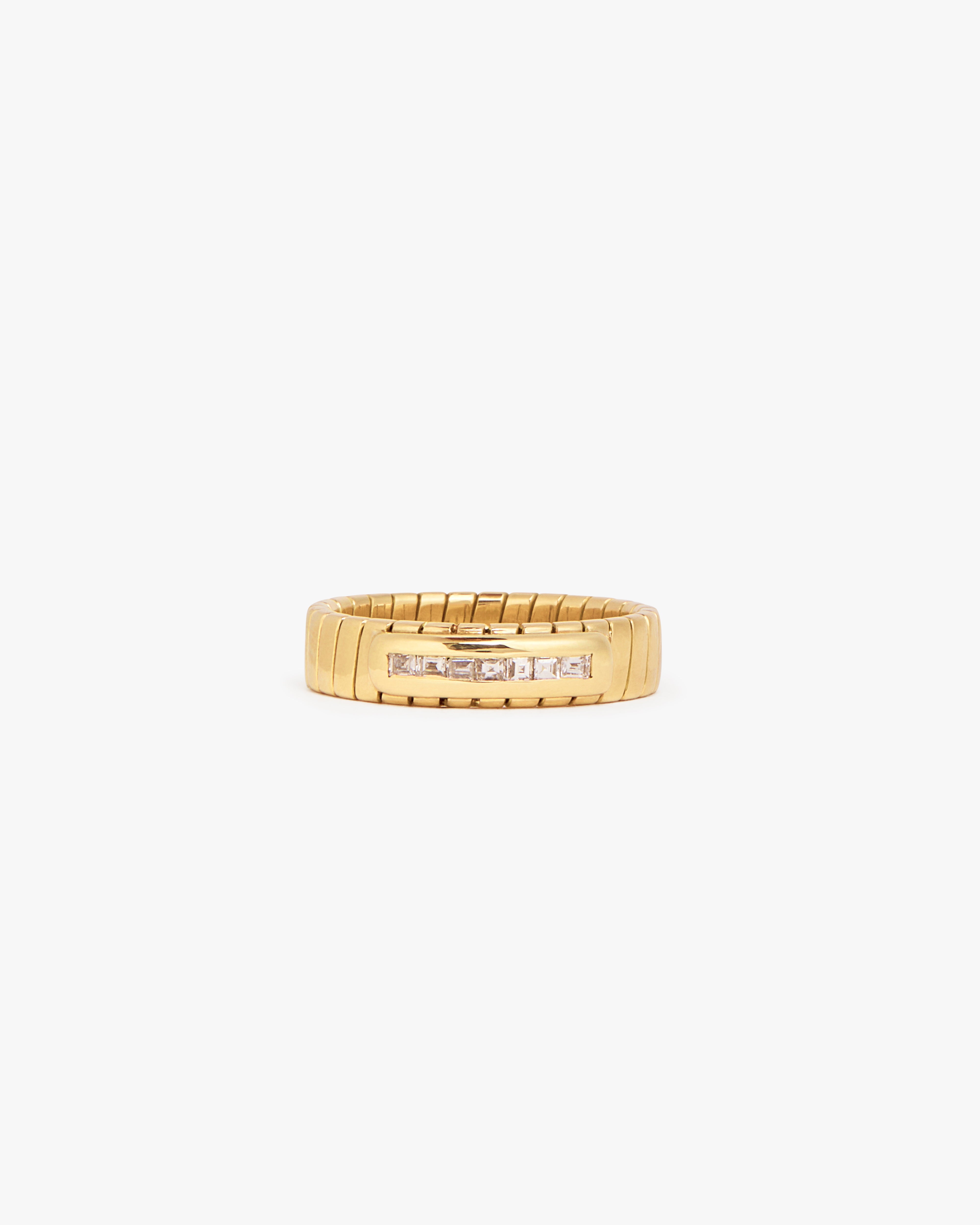
Small emeralds, rubies or sapphires cut to a custom shape so they sit flush with almost no metal showing — a continuous ribbon of colour. Slow, exacting work: exactly why it signals quality.

3. Old European cut diamonds

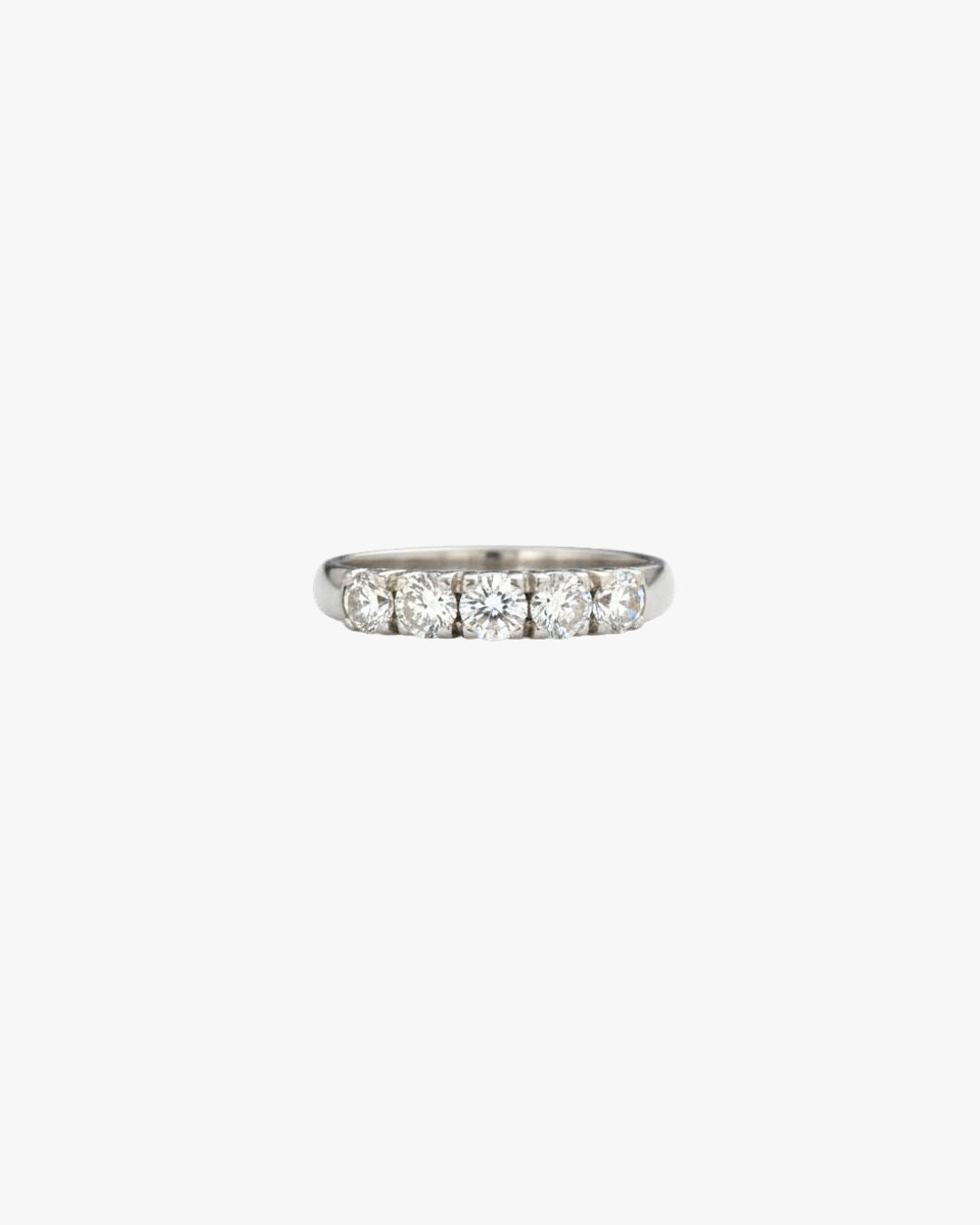
The dominant diamond of the era: small table, tall crown, deep pavilion, a visible culet. Cut for candlelight, it returns warm, chunky flashes. A crisp modern brilliant in a “Déco” ring suggests a later stone — or a later ring.

4. Platinum, thin as lace

Strong enough to hold large stones in nearly invisible settings, platinum made the era's filigree and knife-edge lines possible. A white-on-white look points to Déco — a strong signal, though yellow gold never fully disappeared.

5. Milgrain under the loupe

A beaded line of tiny raised dots finishing the edges, applied by hand. Crisp, even milgrain is the mark of a workshop that cared.

When the five signals agree, the hallmark and the paperwork are confirming what the piece has already told you. Every Art Déco piece at ÂGÉE is scouted personally by the founder and documented — there is no second copy. The other eras are mapped in the guide to jewellery eras; the process is on Our Method.

How can I tell a real Art Déco ring from a reproduction?

Look at the cuts first: old European diamonds and calibré colour stones, set in platinum with hand-applied milgrain. Modern brilliants, machine-perfect symmetry or cast galleries suggest a later reproduction. Hallmarks and provenance confirm the date.

Is Art Déco jewellery always platinum?

It is the era's signature metal, but not an absolute rule — yellow gold continued, especially toward the mid-1930s. Treat platinum as one of five signals, not the deciding one.

Why are calibré emeralds a sign of quality?

Each tiny stone is custom-cut to sit flush against its neighbours. It is slow, precise work and difficult to fake — the mark of a serious period workshop.

From the archive
Alice
Alice
$1,867
Asia
Asia
$1,867
Colette
Colette
$3,384
Vivienne
Vivienne
$1,751
Francesca
Francesca
$4,667
Silvia
Silvia
$5,251
Eleonora
Eleonora
$2,217
Ornella
Ornella
$4,084
Back to blog