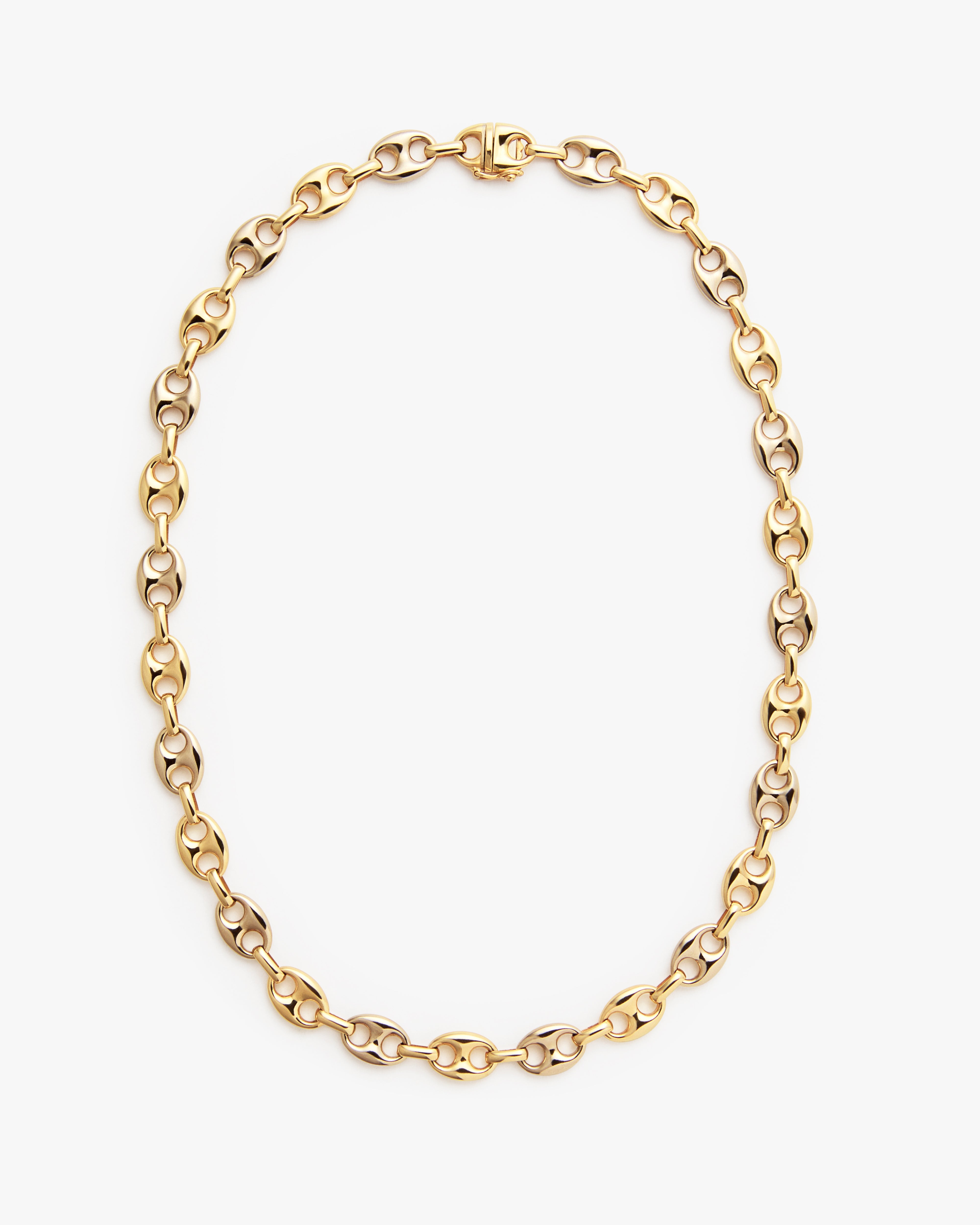
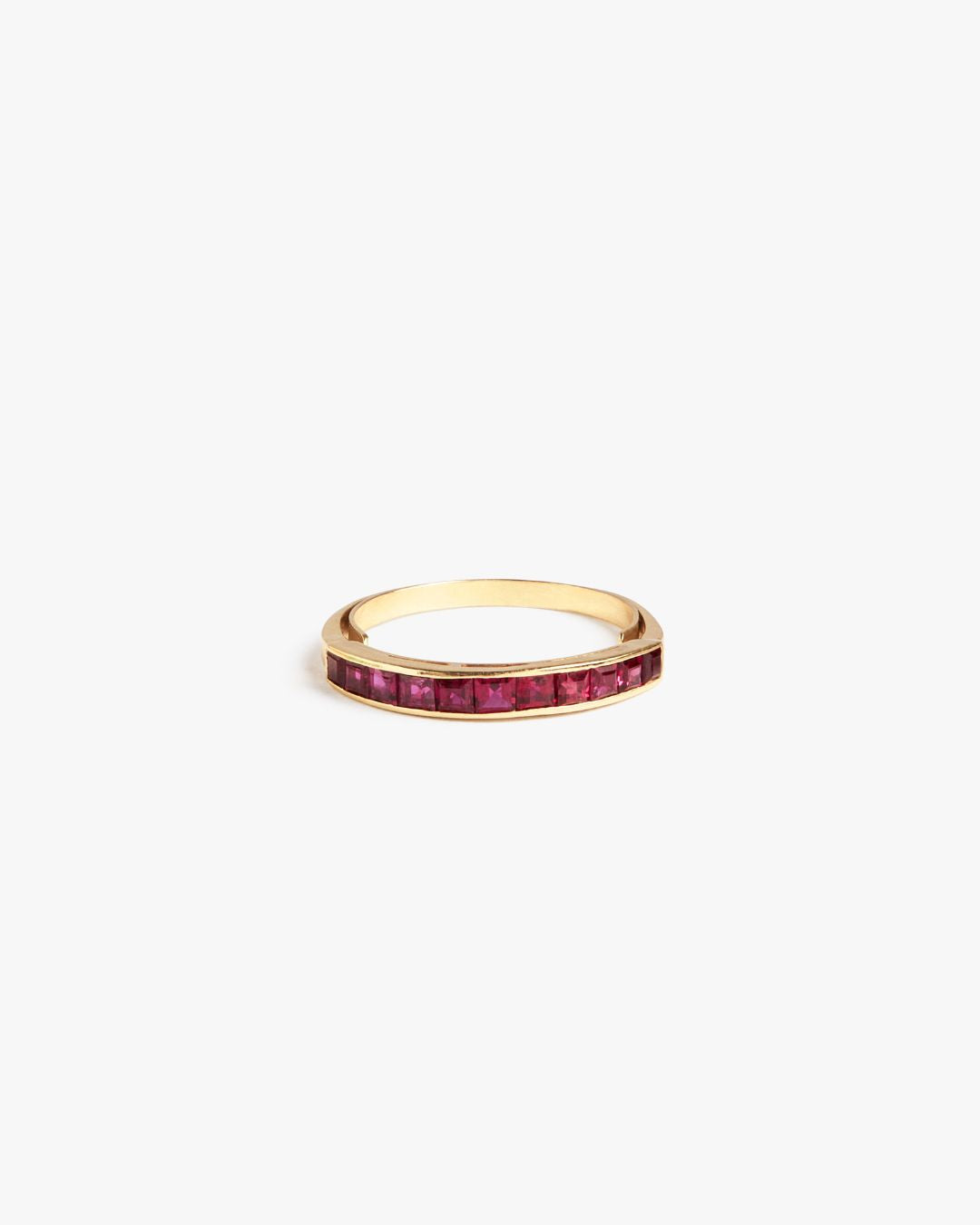
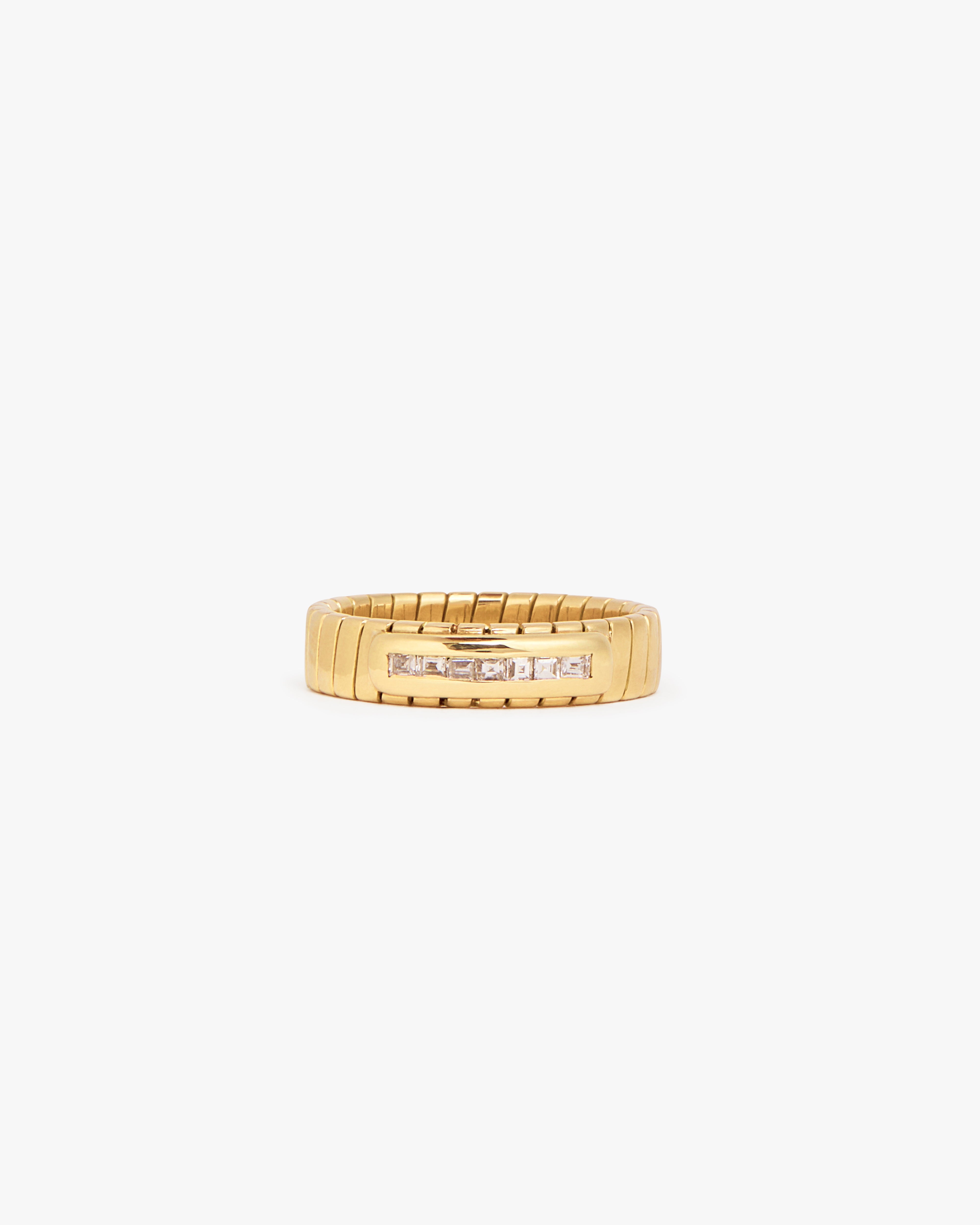
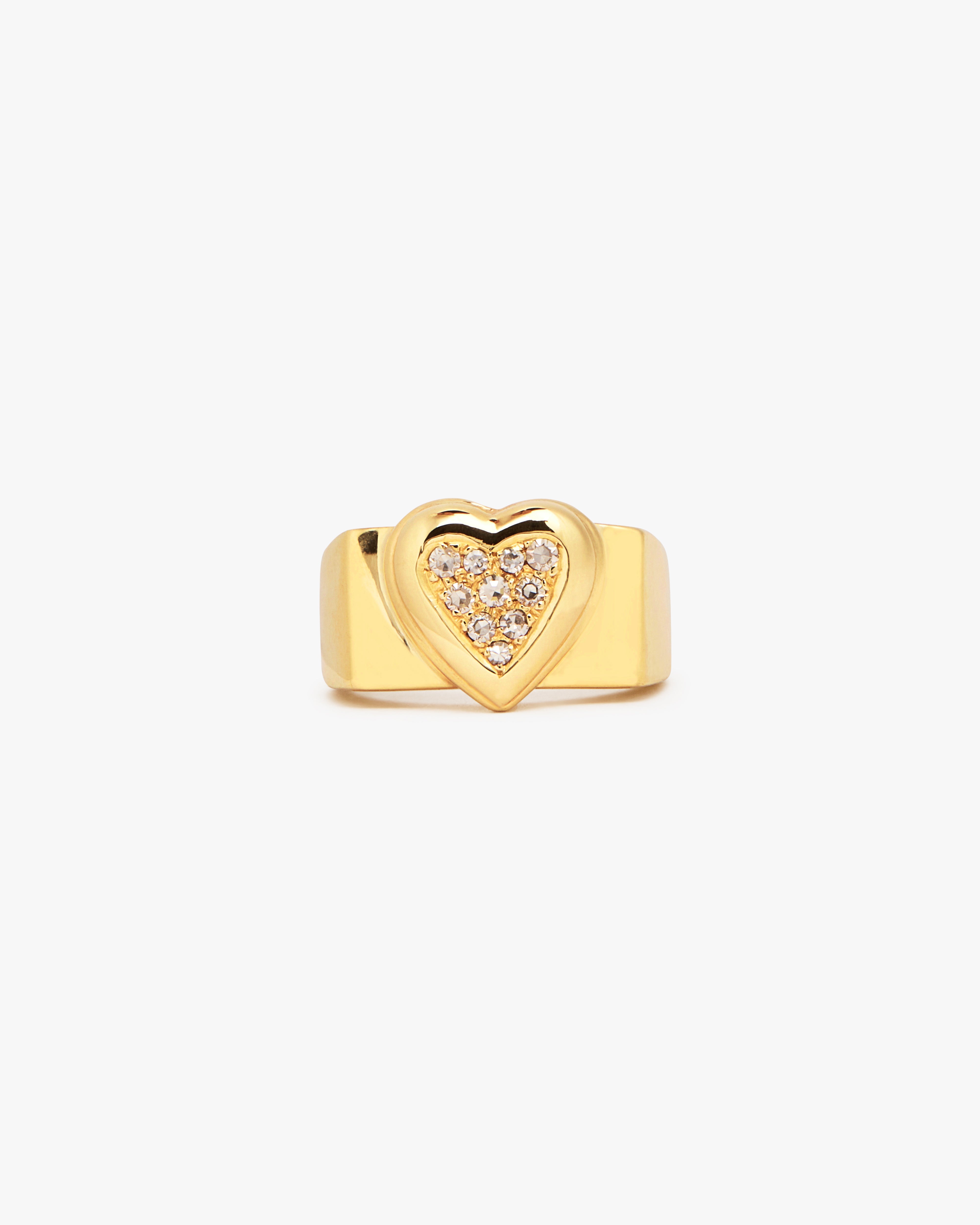
1. Scouted, not sourced
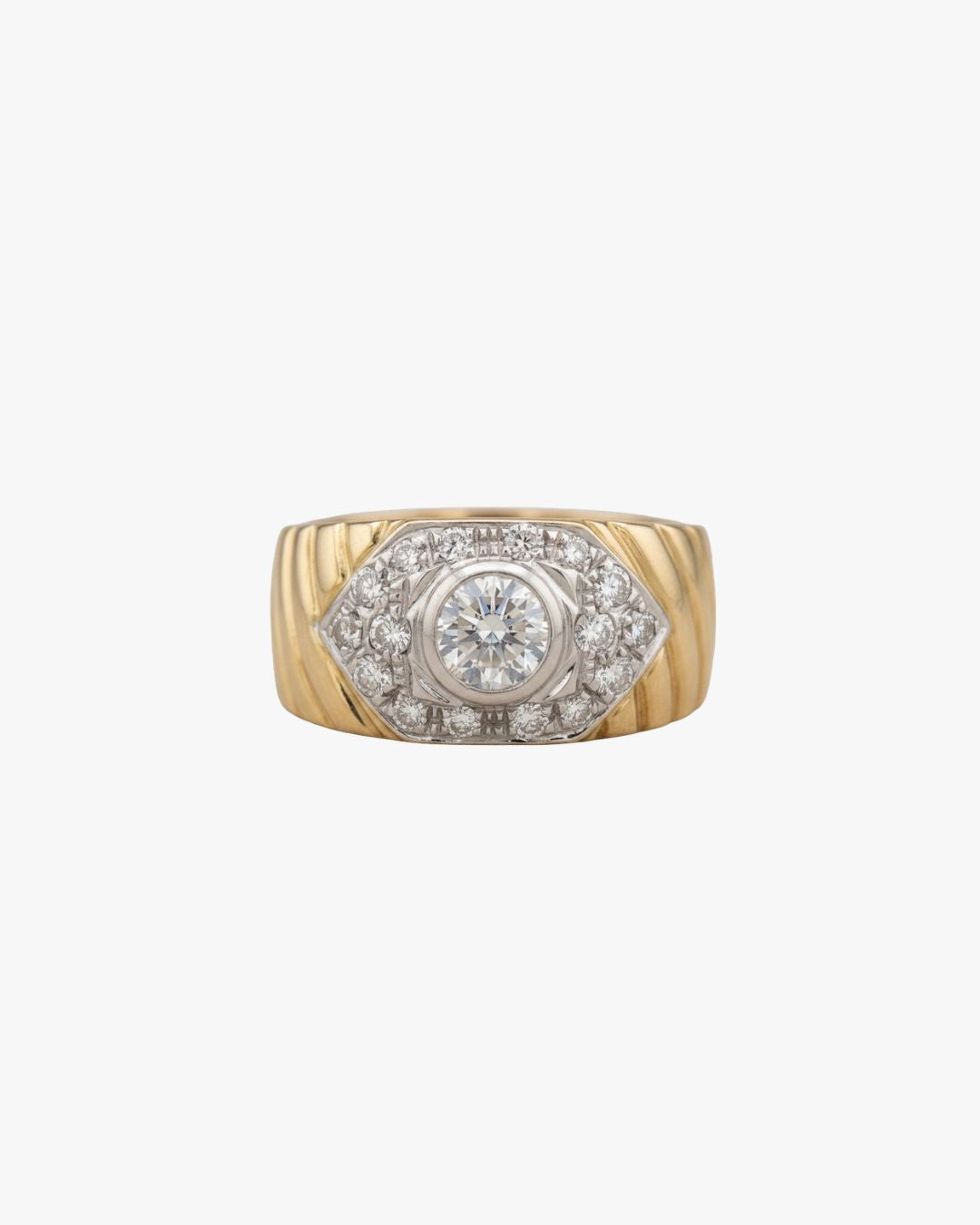
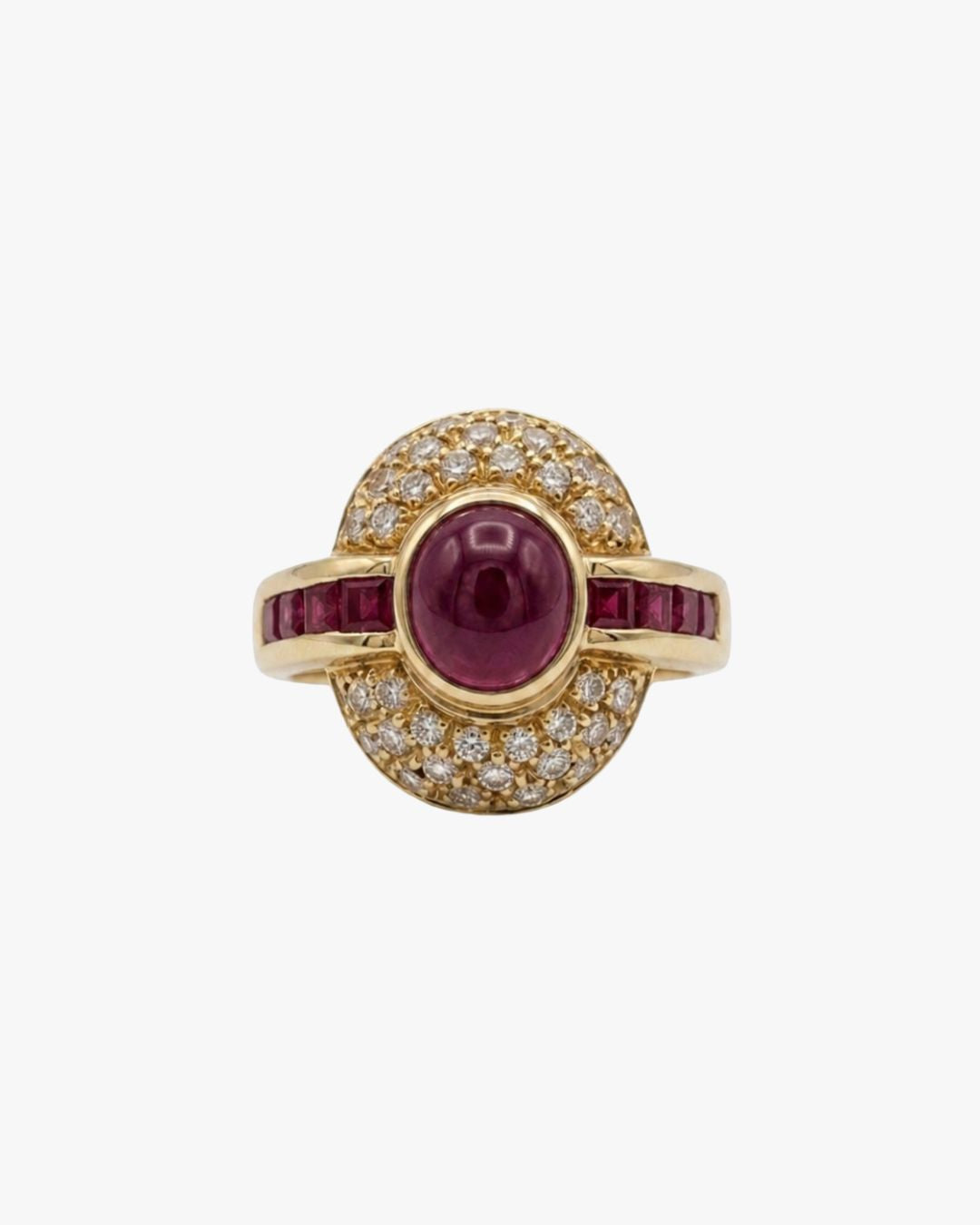
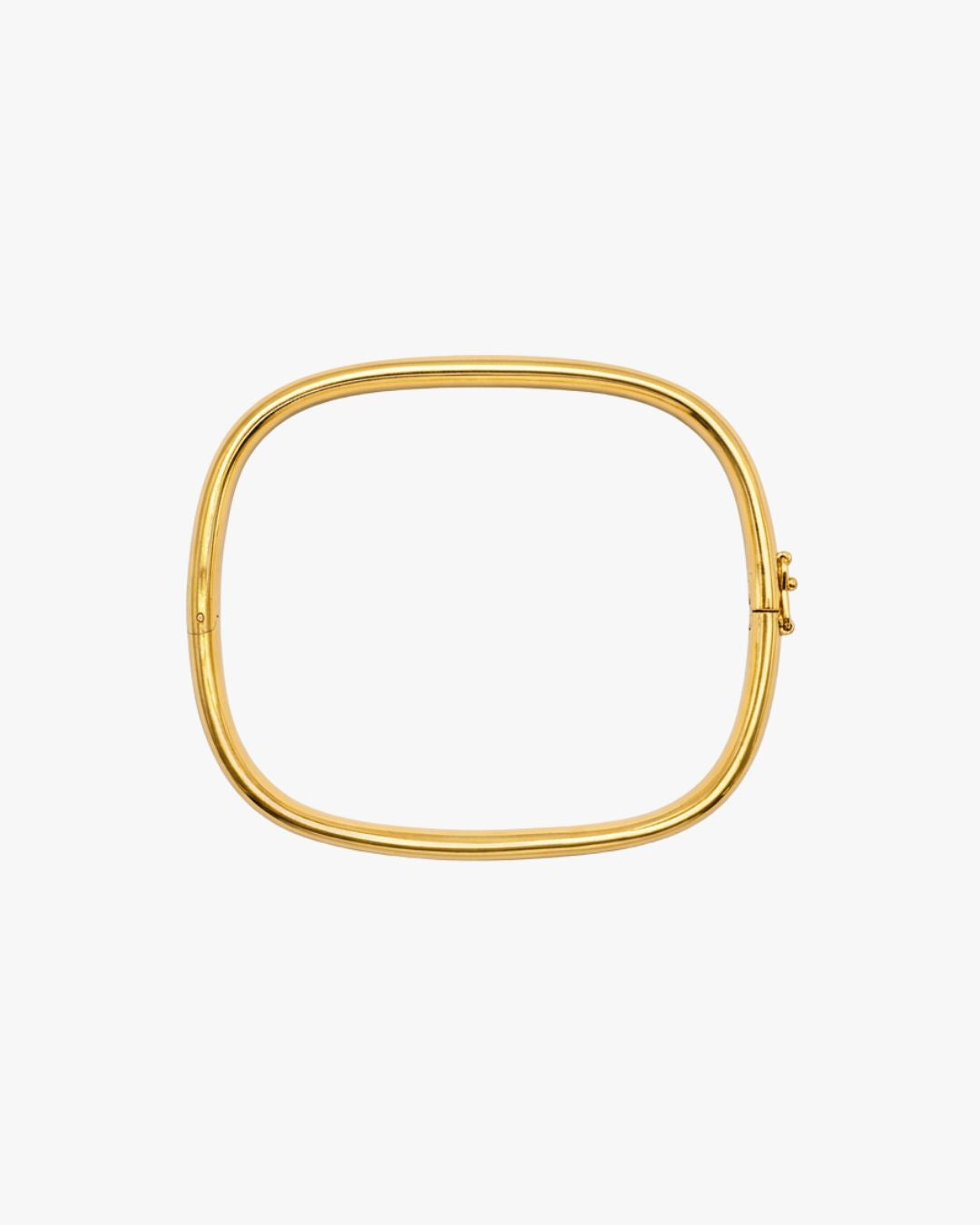
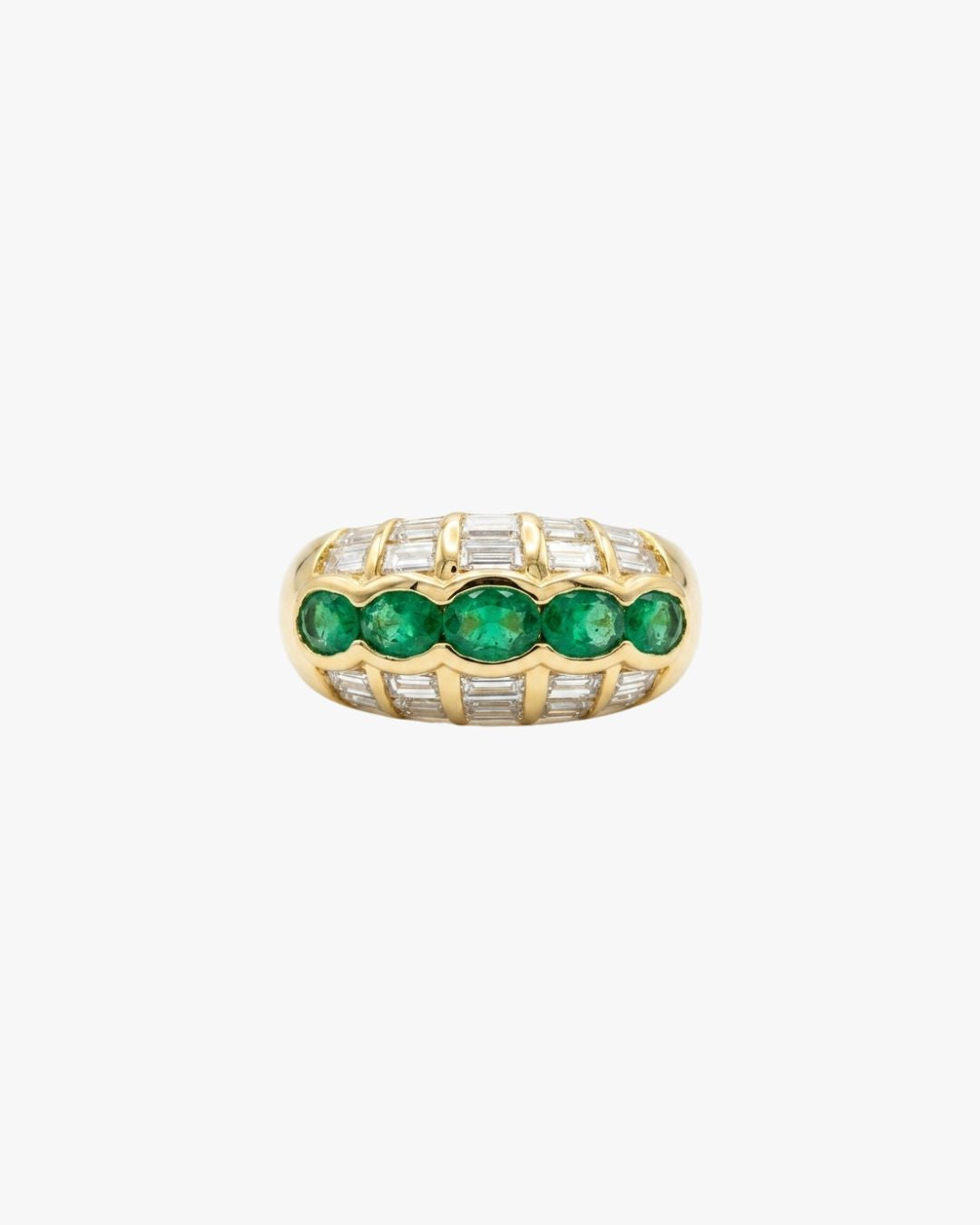
Every piece is selected personally by our founder. Scouted is the right verb: it implies a hunt, a point of view, a refusal of the obvious. We do not buy in bulk and we do not chase trends. We look for the one-of-a-kind: the object that has a reason to exist a second time. There is no second copy waiting in a drawer; what you see is the whole edition.
2. Authoritative sources only
Provenance begins at the source. We acquire from auction houses, documented private estates and established dealers with a verifiable history, never from anonymous channels. An estate piece with a traceable origin is a different proposition from a piece with no past at all.
3. The gemmologist's verdict
We do not guess at stones. When a piece carries a diamond or a coloured stone, it is examined by a gemmologist, who assesses the material against the era it claims to belong to. An old European cut (high crown, deep pavilion, an open culet you can see with a 10x loupe) was made by hand to glow under candlelight, and its slight asymmetry is itself a form of evidence.
4. Hallmarks and the era they confess
A hallmark is a piece confessing its own age. We read the marks struck inside a band or hidden on a clasp: the standard mark (750 for 18kt, 585 for 14kt), the maker's mark, the assay-office and date letters. Read together, they date and place a piece more reliably than any story told about it.
5. Documented, then certified on request
Era, origin, hallmark and condition are recorded for each piece, so the knowledge travels with the object. A certificate of authenticity is available on request, not as an upsell, but because a documented piece is a piece you can pass on with the same confidence you received it.
A piece given a second life is the original circular economy: no new mining, no new copy, one object that simply continues.
Read the step-by-step version on Our Method, place a piece in time with the guide to jewellery eras, or browse the vintage diamond rings.